Architecture and technology:

working together to create quality spaces


At the new Federico Faggin Auditorium, representatives from three leading Italian architecture firms

and three technology designers came together to discuss the design of shared spaces with integrated technology.


The quality of a space also depends on dialogue among the professionals who help shape it. Architecture, acoustics, lighting design, and multimedia systems all contribute to creating beautiful, functional, and efficient environments that meet clients’ expectations and users’ needs.


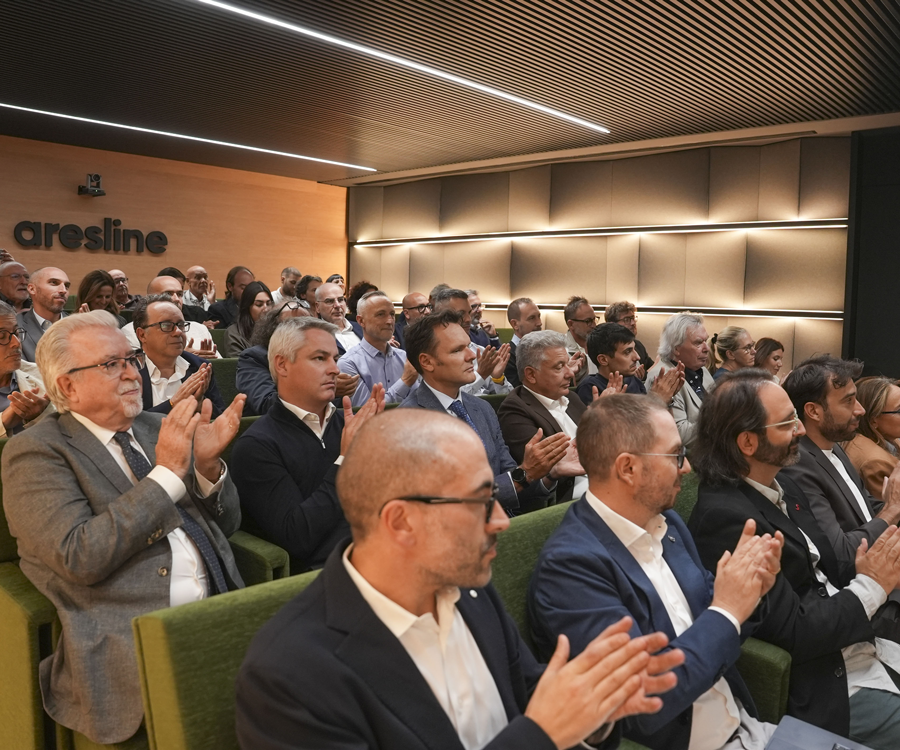
This was the central theme of “Dialogue Between Architecture and Technology," the conference held on September 25, 2026, at the Federico Faggin Auditorium. Initiated by Aresline and organized in collaboration with YACademy, under the patronage of ALA - Assoarchitetti e Ingegneri and MIDA - Multimedia Italian Designers Alliance, the event brought together different experiences and approaches through case studies and reflections on the relationship between disciplines.

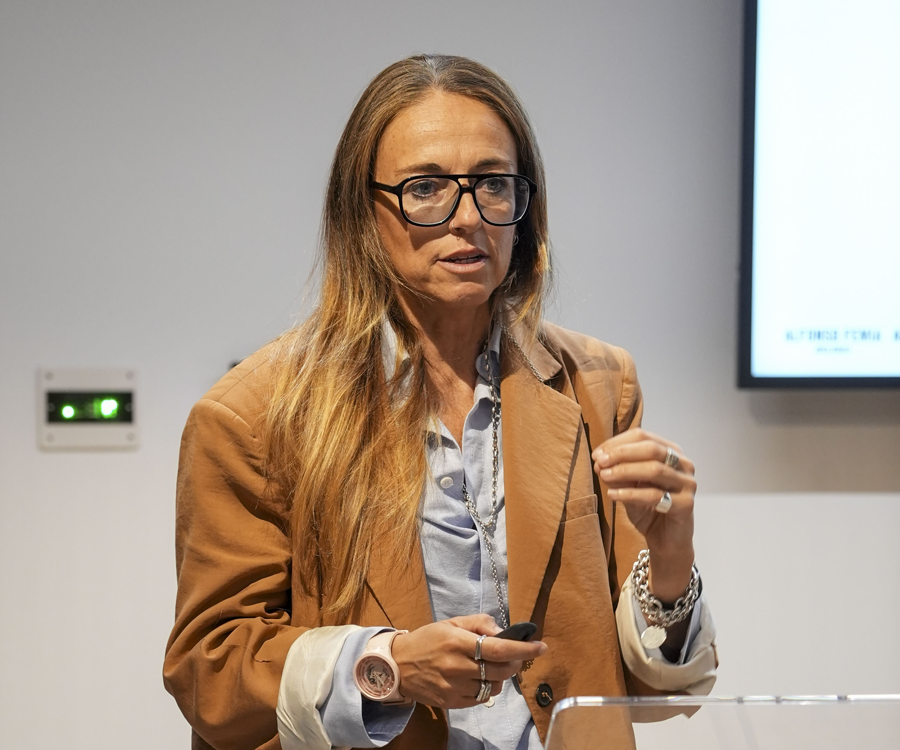
Carola Picasso, of Atelier(s) Alfonso Femia - AF517, presented the design of the Fondazione Dallara headquarters in the Parma area. Her talk focused on the architectural dialogue between the new building and the surrounding landscape, lighting design, and sound-absorbing solutions. These elements influence how spaces are perceived and used, highlighting the close connection between architectural decisions and specialist expertise.


The future Teatro Civico Il Ferruccio in Empoli was the focus of the presentation by Mirco Donati, of Archea Associati. Donati discussed the project he championed alongside Eugenio Pucci, with whom he entered the municipal design competition for the theater. The building’s relationship with its surroundings, the use of specific materials such as curved glass, and interior acoustics informed the design of the performance spaces from the outset.


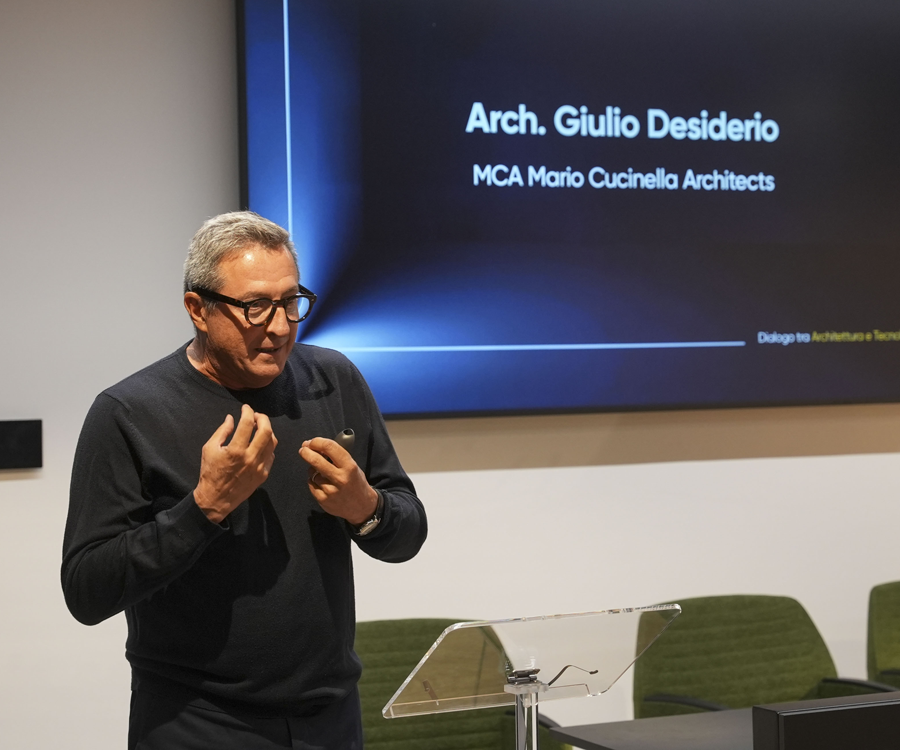
Giulio Desiderio, of MCA - Mario Cucinella Architects, offered a broader perspective on the relationship between architecture and technology, tracing a connection rooted in the earliest history of human thought. From ice-making techniques in ancient Persia to modern systems supporting inpatient care, his presentation explored technology’s contribution to how spaces are built and used. During the roundtable discussion, he added another observation: “technology can be beautiful,” contributing to architecture’s expressive value and quality.

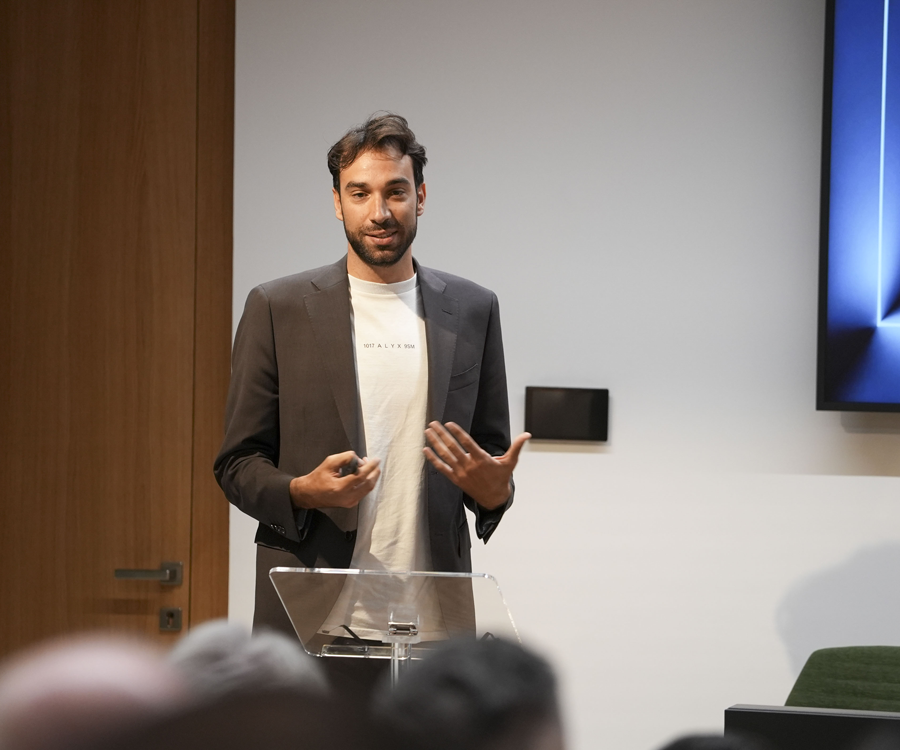
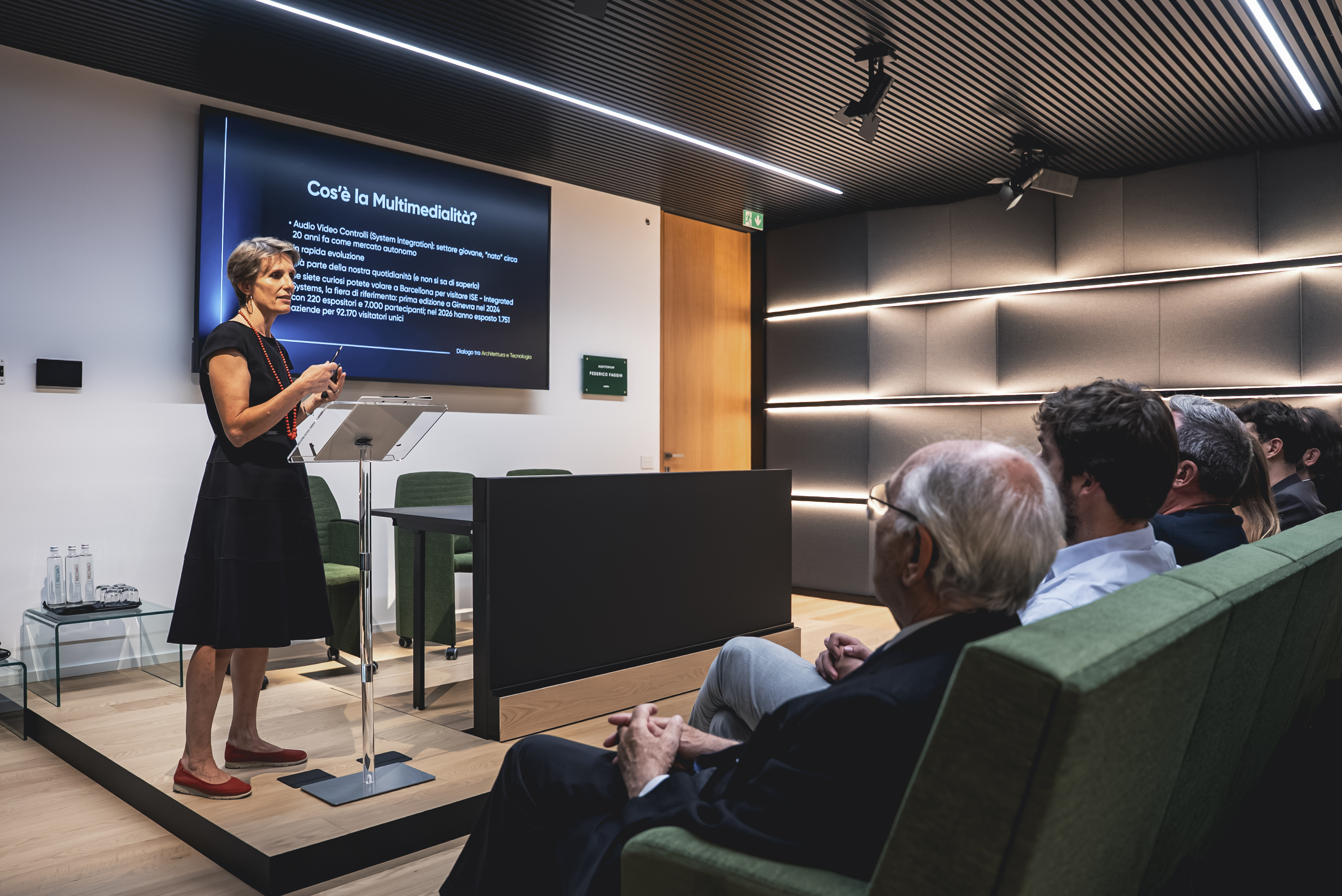
The MIDA professionals brought the perspective of technology design to the discussion. President Stefano De Troia addressed client requirements and the challenges that arise when developing multimedia systems. His contribution emphasized the importance of understanding clients’ needs and establishing shared goals, design decisions, and budgets from the earliest stages.


Donato Masci, of Studio Sound Service, illustrated how acoustics can be integrated into architecture in different ways: as a visible part of the design or through discreet solutions, including in heritage-protected settings. The work at Villa Favard, home to the Florence Conservatory, demonstrated how reducing excessive reverberation can restore spaces to effective use, making them suitable for musical activities.


Luca Dallaturca, of Cavea Engineering, focused on listening to clients as an essential step in working together to identify the most appropriate solutions, both technological and otherwise. His presentation explored multifunctional spaces: technology provides the infrastructure and tools, while architecture determines how they are integrated into the environment, making them accessible and suited to people’s activities.

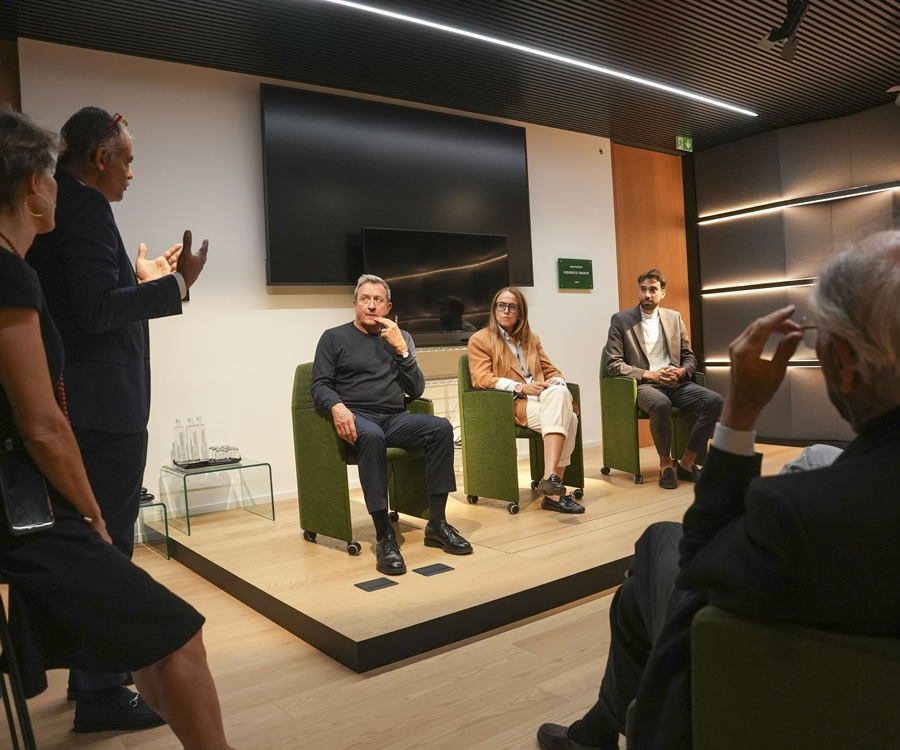
The closing roundtable brought these contributions together around the need for effective collaboration between architects and technology designers from the very beginning of a project. The shared goal is a beautiful, functional, and efficient result that meets the client’s expectations within the available budget. The discussion also highlighted the value of avoiding separate contracts for interior furnishings and technology in public procurement, to improve coordination and the effectiveness of on-site work.


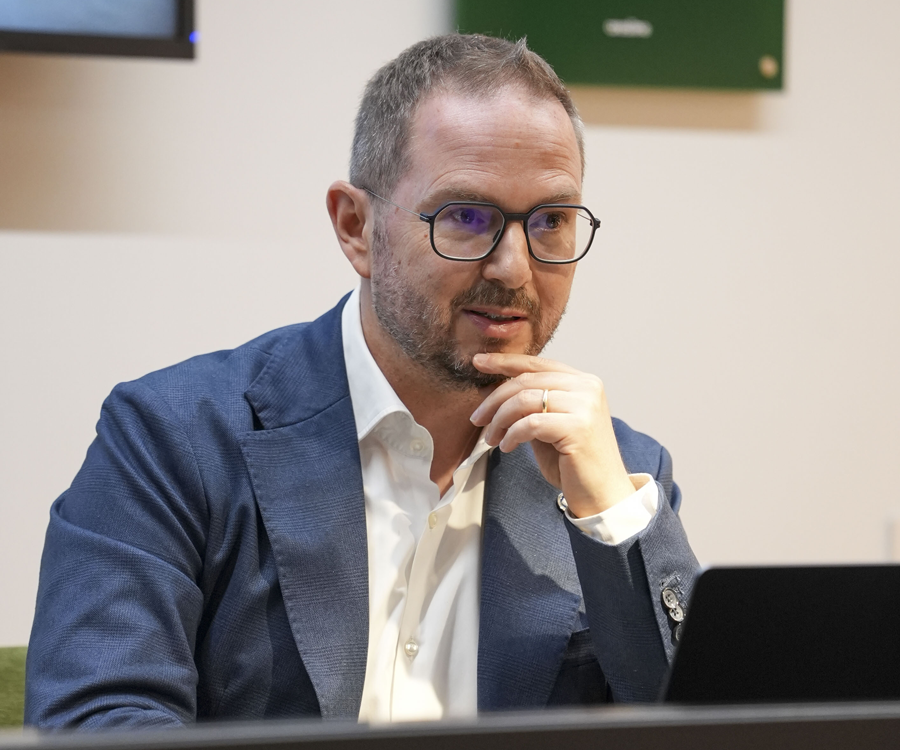
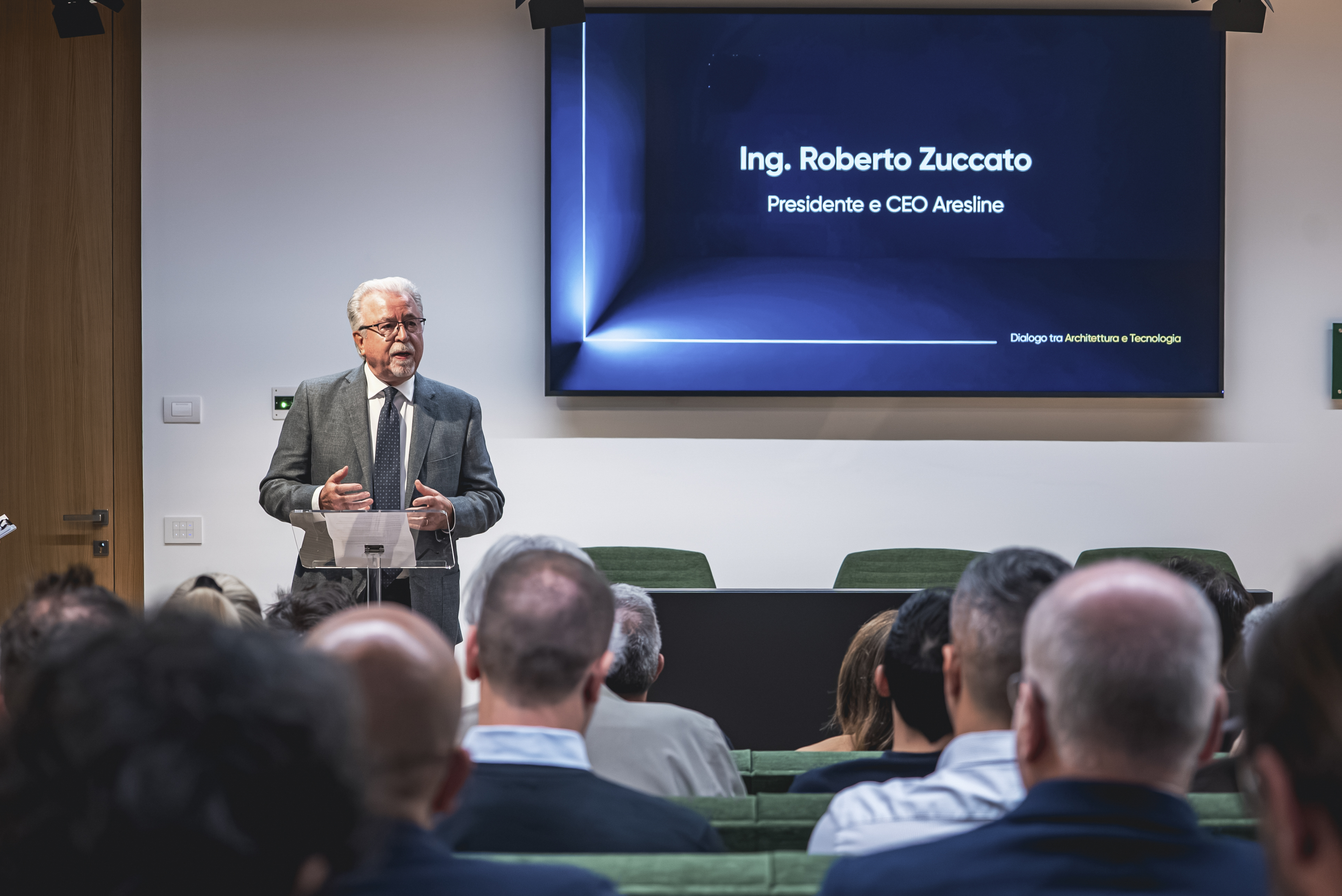
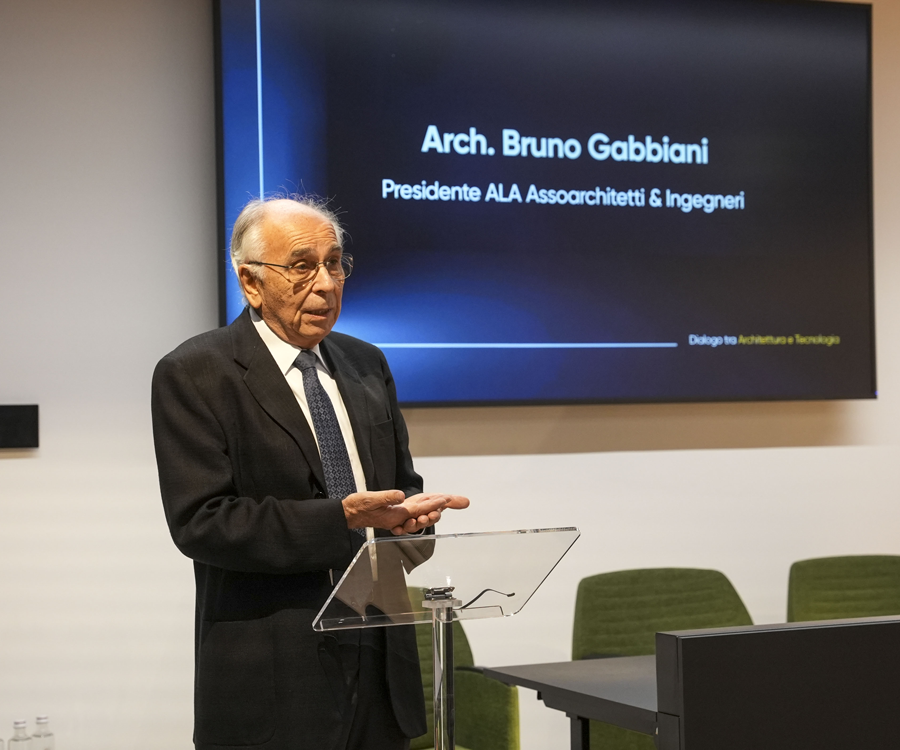
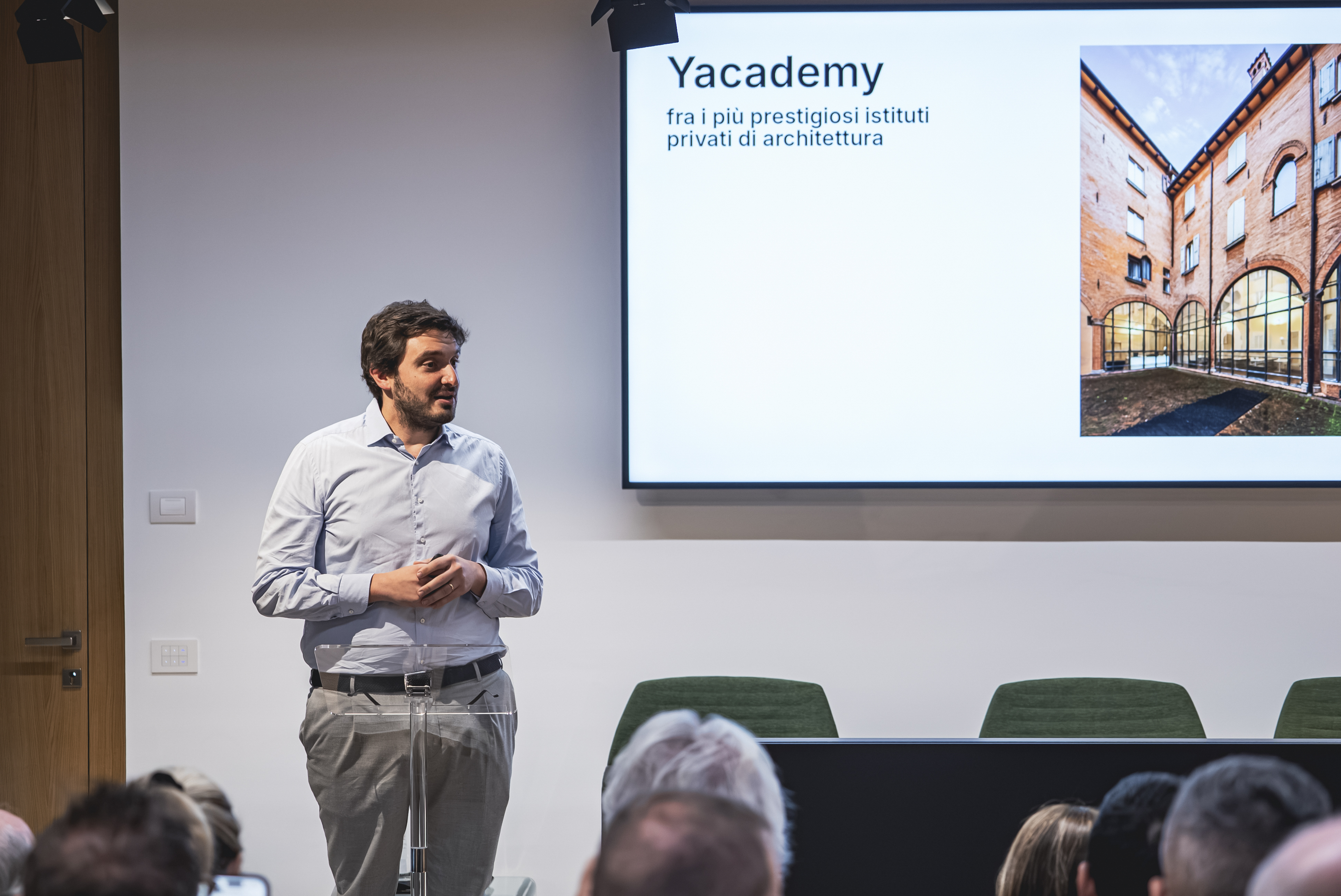
The event was opened and moderated by Chiara Benedettini, a journalist specializing in professional audiovisual technology and systems integration, and Pietro Conte, Aresline’s Sales Director for Italy. Other speakers included Roberto Zuccato, President of Aresline; Bruno Gabbiani, representing ALA, who presented the Dedalo Minosse Award; and Alessandro Cecchini, CEO of YACademy, who addressed the relationship between education and business.


For Aresline, which works alongside designers to create shared spaces, these topics are closely connected to the relationship between seating, architecture, technology, and people’s experience. This event continues the company’s commitment to making the Federico Faggin Auditorium a meeting place for business, education, and design professionals, where they can exchange experiences and foster a shared design culture.