
-
 Technology and Design: Finding the Perfect BalanceInterviews with Leading Italian System Integrators by Chiara Benedettini and Pietro Conte
The System Integrator As a Facilitator:
the Adicom Group Experience Between AV And ICT
Anna Buticchi e Cristina Avella
Adicom Group
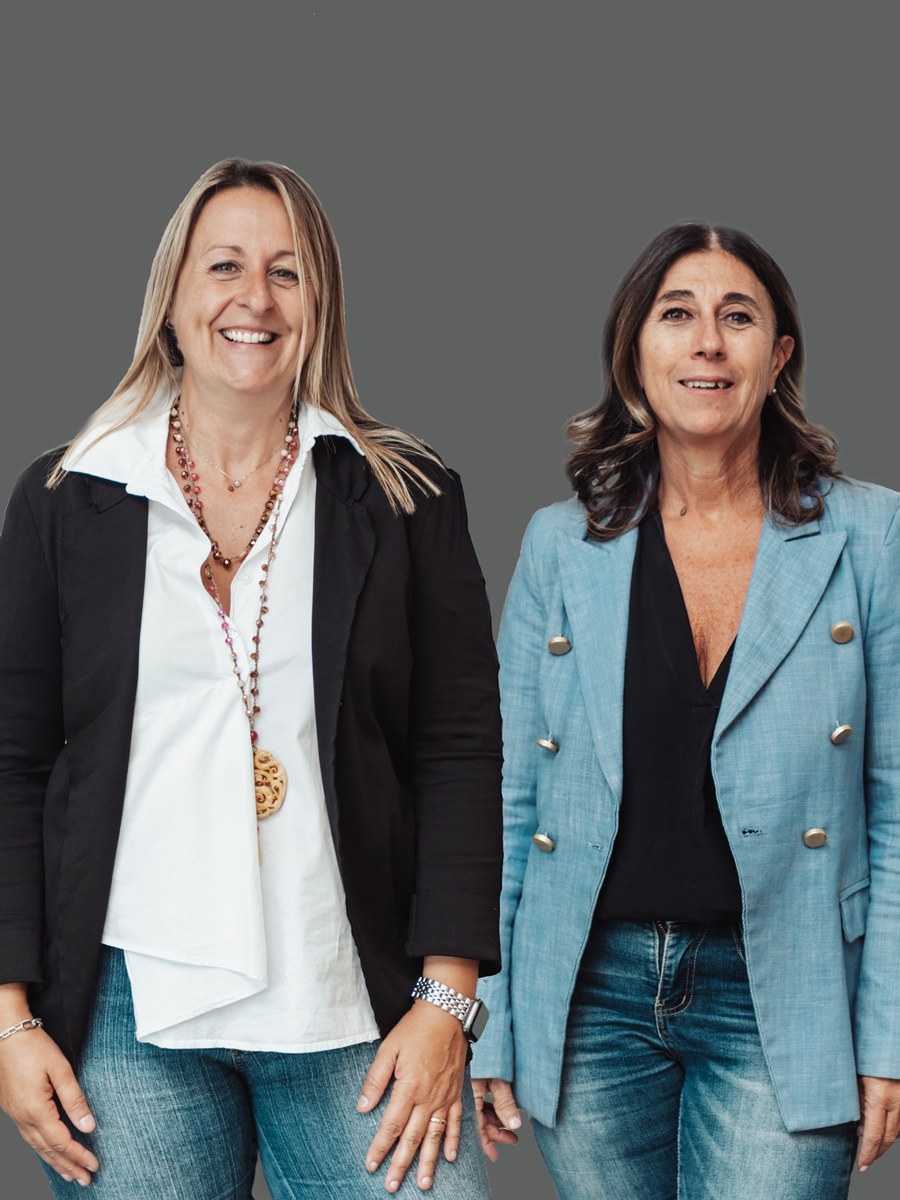
Adicom Group’s entry into the world of professional AV - having been active in the ICT sector since the 1990s - took place gradually. First came the arrival of Cristina Avella, whose professional path coincided with a clearer definition of the multimedia focus, followed by Anna Buticchi’s arrival in 2020 to strengthen the commercial area. Today this is a fully-fledged business unit made up of around ten people. Project typologies have evolved over time: market growth, combined with the impact of the pandemic period, has changed client needs, pushing toward more integrated, flexible, and experience-oriented solutions.
Pietro Conte – Can you tell us about a project you consider particularly significant in your journey?
Cristina Avella – I would immediately say the University of Aosta (Italy): we contributed to the renovation of meeting rooms, classrooms and multimedia spaces, as part of a broader initiative by the University to upgrade its infrastructure. It was a highly rewarding assignment, but not without complexity: we came in at the final stage, because the technology was planned to be implemented after the furniture and spaces had already been defined. In such cases, technology is forced to intervene on the furnishings, and we were obliged to reinterpret elements that had already been purchased, adapting them to modern audiovisual solutions. Unfortunately, even today technology and furniture rarely originate together, and our job is precisely to make them dialogue without compromising either.
PC – With Adicom there is already an established collaboration, and fortunately in other situations this dialogue has been expressed differently, by bringing technology and design together from the outset.
Anna Buticchi – When this dialogue begins during the design phase, everything becomes much simpler. For the renovation of the main auditorium at the Regina Margherita Children’s Hospital (Turin, Italy), we were involved at this stage. This allowed us to integrate furniture and end-user experience: we installed an equipped lectern and podium, integrating them with the seating, all by Aresline. When those who use the space daily can provide inputs, the outcome changes completely, and technology truly becomes a tool at the service of people.
PC – Do you notice a difference between public and private projects?
CA – In the public sector, technology is often approached as a supply item, partly due to the way tenders and funding mechanisms work. In the private sector, on the other hand, there is greater openness to a consultative role, which allows for the creation of tailored and truly effective solutions.
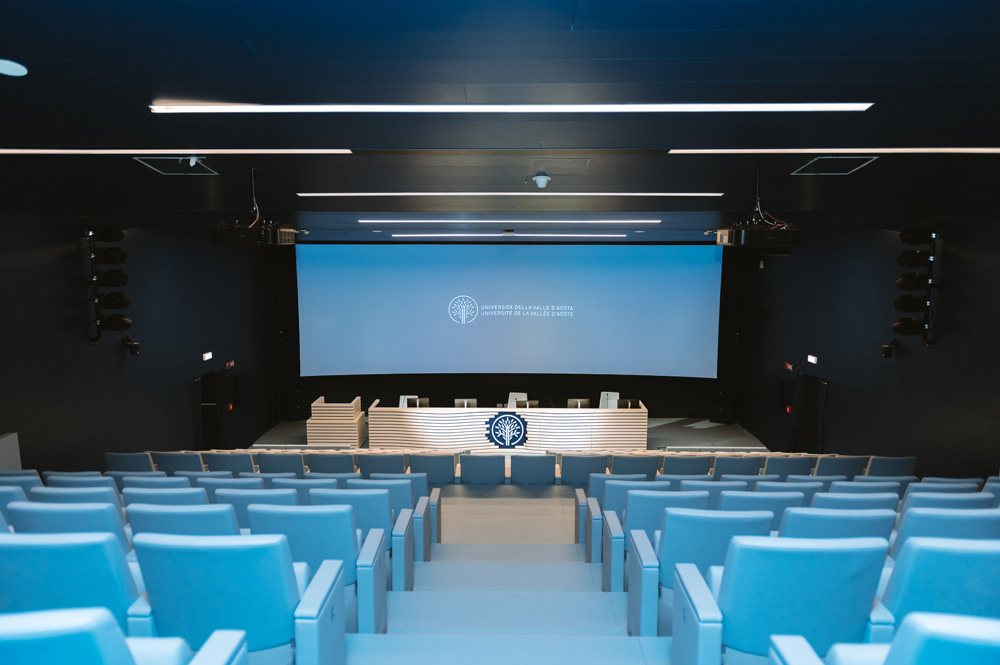
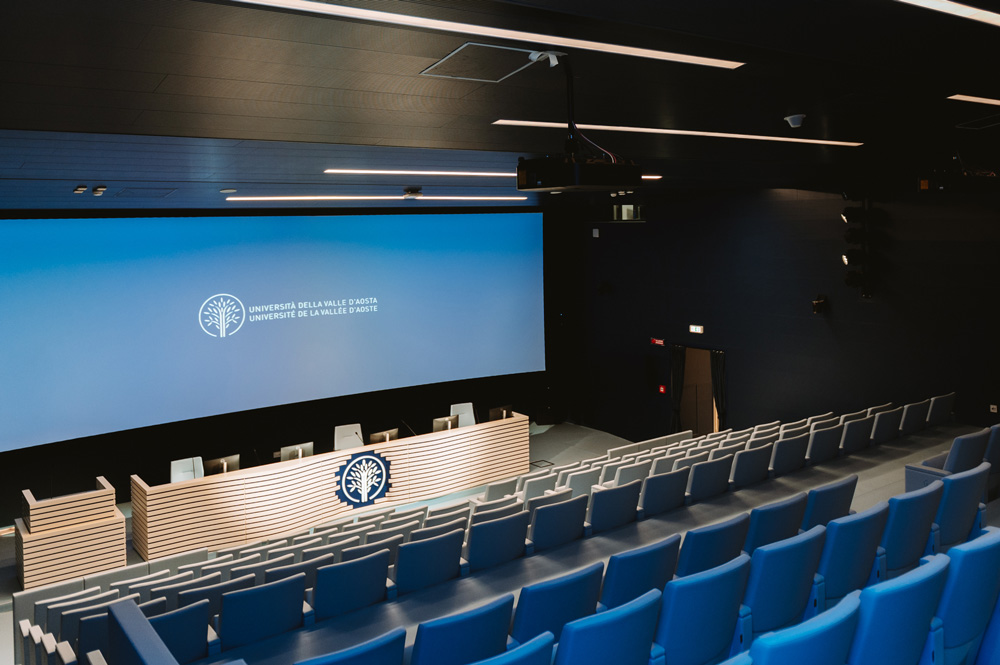
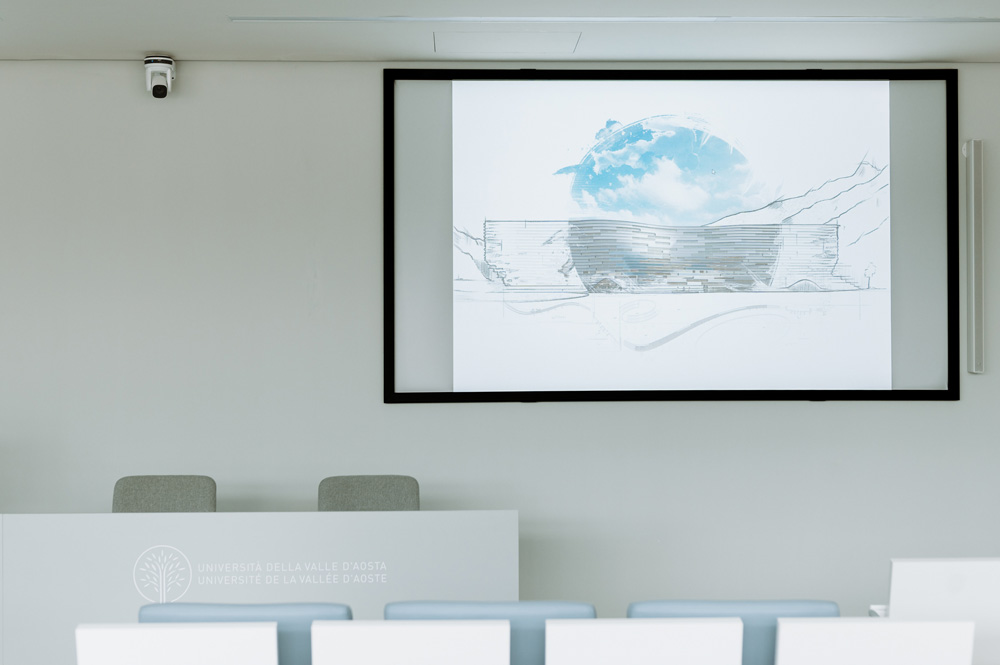
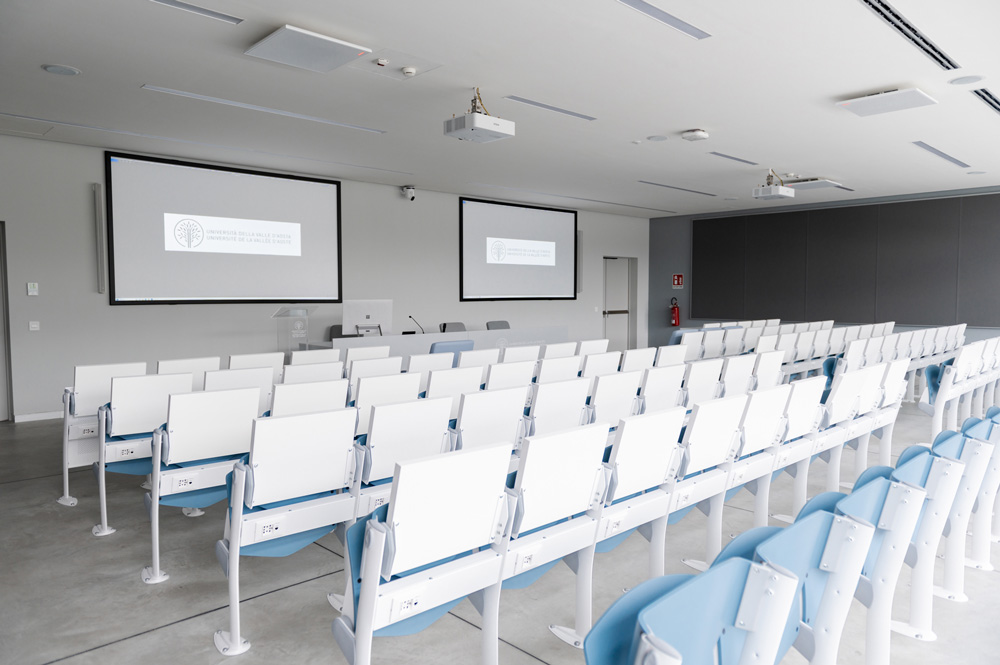
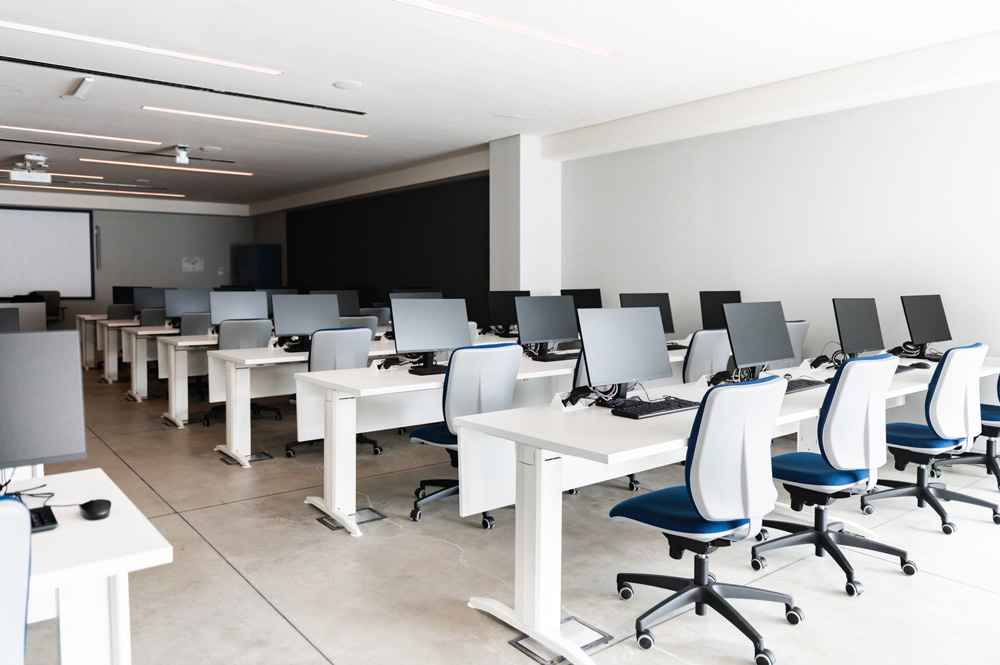
1.-5. Installation at the University of Valle d’Aosta, Aosta, Italy (Mario Cucinella Architects).
Chiara Benedettini – We have already touched on this topic: what does the dialogue between technology and design mean to you?
AB – It is a dialogue that also involves elements that may seem secondary. Of course, clients expect the technology to work, but today how it fits into the space also matters. Even a floor stand, a cart, or a bracket can make a difference. Today the environment as a whole is important: clients expect a tidy space, with no visible cables, clean and coherent. When we find receptive interlocutors, technology is placed on the same level as furniture.
CB – Can we say that the pairing of furniture and technology plays a driving role in the renewal of spaces?
CA – I know many companies, even successful ones, that still have spaces frozen in the 1970s—not only in terms of furniture. Not coincidentally, these companies struggle to attract younger employees. In such cases, renewing systems, equipment, furniture, and spaces can also change the way people work, increase productivity, modernize processes, and perhaps attract the young talent that all companies need.
CB – In this desired convergence between technology and design, how do you define the role of the system integrator?
CA – We are facilitators. We notice that many architects and interior designers are not familiar with these aspects, and technology is still perceived as an optional extra rather than an integral part of the project.
AB – That is why we always say that architects should see us as allies. Working together from the design phase improves the final result and is ultimately an advantage for the designer as well, who can present the client with a more complete and convincing space.
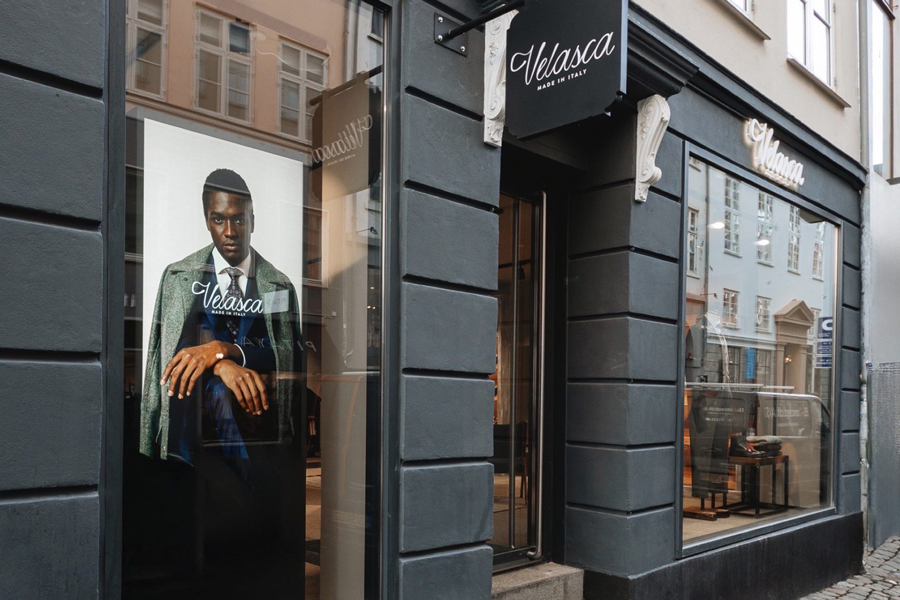
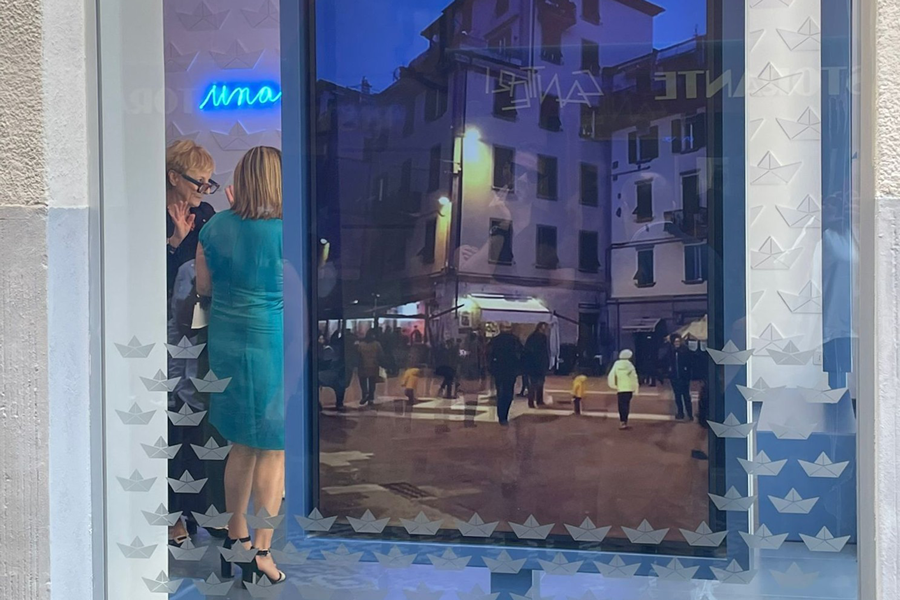
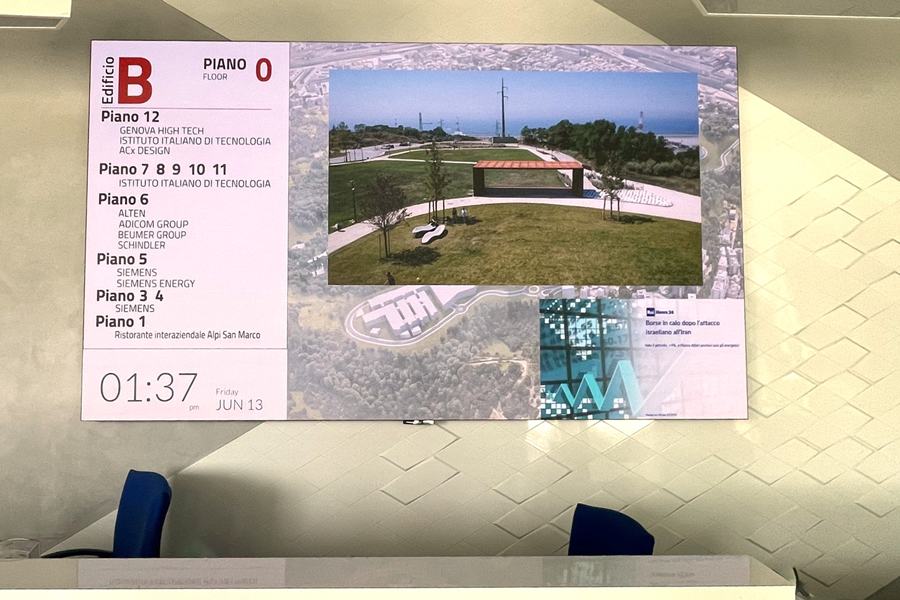
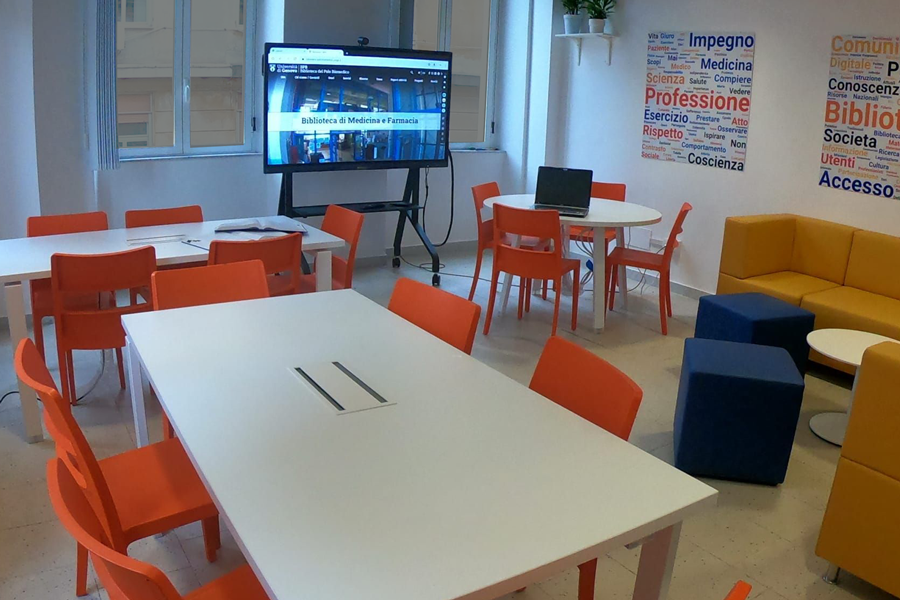
6. Velasca showcase installation. 7. Infopoint showcase installation. 8. LED wall. 9. Monitors for the Library of Medicine and Pharmacy.
CB – But technology today is complex. How important is user experience?
CA – It is fundamental. If someone enters a room and cannot make the systems work, or everything is complicated, then we have failed, regardless of how sophisticated the system may be.
AB – The end user should not perceive complexity. The system integrator must choose reliable products and build solutions that always work. This is even more true in the university environment, where those using the classrooms typically do not have time to manage complex systems.
PC – We are seeing an increasing demand for multifunctionality.
CA – It is a rapidly growing demand, especially in the private sector for medium to large, high-profile spaces that can no longer be designed for a single use. This involves mobile furniture, easily reconfigurable tables, movable partitions, combined with flexible control rooms and systems that allow different configurations to be recalled simply: single room, divided room, event, conference. The technology must be fully integrated and as invisible as possible: nothing to dismantle, no visible cables, everything ready for use.
AB – One good example is the Aula Magna in Aosta, a university space that also serves the wider community. Conferences, live music, official ceremonies all coexist there. Well-designed multifunctionality is possible, especially if technological integration is considered from the very beginning.
CB – Final question: which technology do you think will drive the future?
AB – More than a single technology, I see a major restyling of workspaces through technology: not only meeting rooms, but also bistros, informal areas, event spaces, all potentially connected and usable remotely.
CA – I agree. I would also add hotels, which have enormous potential for renewal by becoming conference centers and hubs for hybrid work. The technology is mature; the real value will lie in the role of the system integrator as a bridge between space and technology.
CB – Not surprisingly, we see more and more architects working within system integrators…
CA – Exactly. It is a sign that the distance between these worlds is shrinking, and it is a direction that should absolutely be encouraged.