
-
 Technology and Design: Finding the Perfect BalanceInterviews with Leading Italian System Integrators by Chiara Benedettini and Pietro Conte
Tailored Technology:
Being a System Integrator
Riccardo Negro
Sonitus
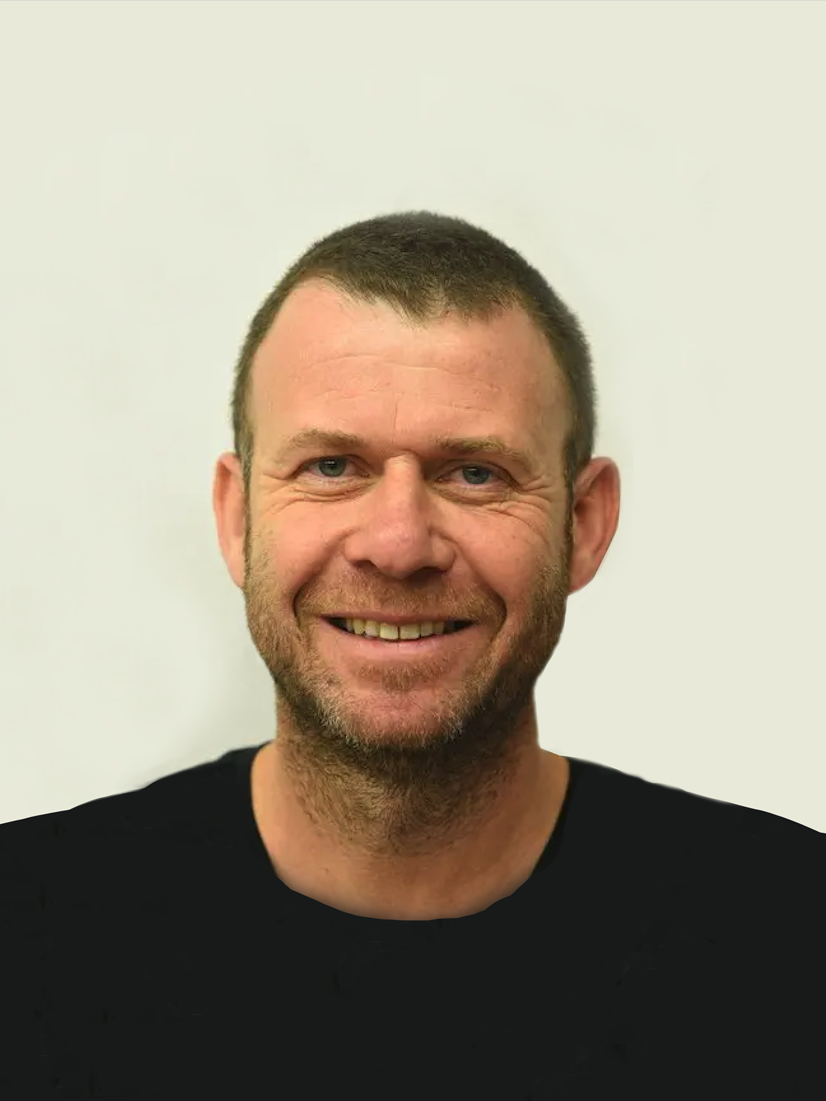
“Working as a System Integrator was something of a ‘wrong turn,’ or perhaps a fortuitous combination. I was studying when an acquaintance offered me a position in the commercial side of a company in the sector… it seemed compatible with university. I started somewhat playfully; over time the job became serious.
We have built, over time, a team with complementary skills — very different people who nonetheless work well together, both technically and personally… we are a company made of people, not just numbers. And that makes an enormous difference in our day-to-day work.”
In this interview, Riccardo Negro of Sonitus tells us about the identity of a technological company strongly tied to people and a certain “artisan” sense of craft — with a clear point of view: technology and design are not parallel worlds, but must become a system.
Chiara Benedettini - Which recent projects do you think best represent your company?
RN - One above all: the main lecture hall of the Polytechnic University of Ancona (Italy). It was an important and complex project that required us to rethink technology in relation to architecture. We’re talking about a 9-meter LED wall installed on a convex surface, a truly unconventional challenge. We designed a customized infrastructure and opted for ceiling-mounted audio diffusion to keep the space visually clean — a true example of total integration, where technology and architecture live in harmony. Another significant project, still underway, is in Saint Mark’s Basilica in Venice, though I can’t share much about it yet. Sometimes we realize the level of what we do only when we see it reflected in others’ eyes — like a distributor who once told us: “I didn’t think you were capable of doing things like that.”
In the relationship between technology and design, what role does a system integrator play today?
RN - A central one. Today it’s essential to know how to “tailor-make” solutions — to build customized systems — and that requires synergy. You need to start from the concept, move through implementation, and continue with support, maintaining a direct link with those who design and furnish spaces. This is how Sonitus has always worked. For us, AV devices are part of the environment, not just pieces of technology.
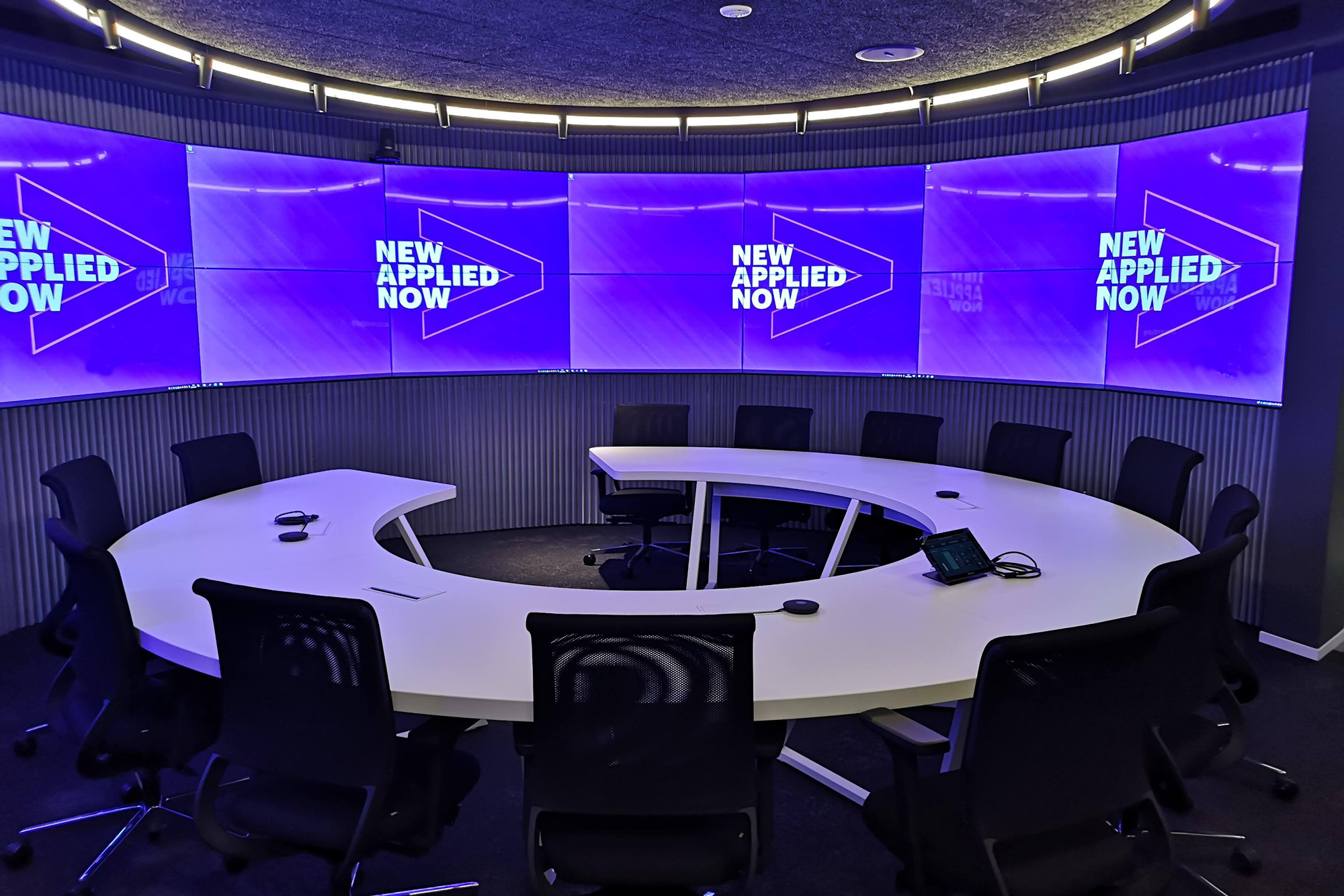

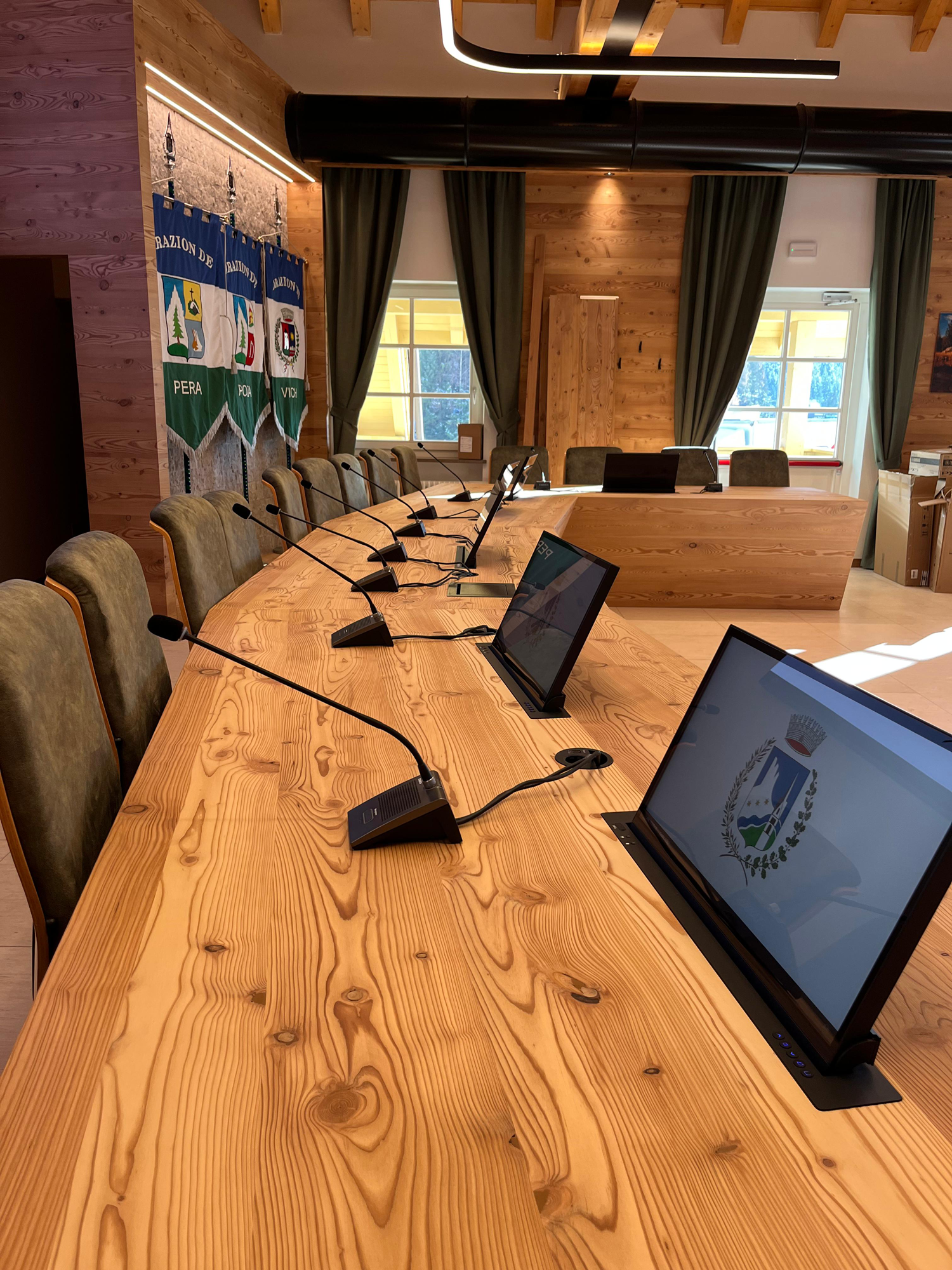
1. Accenture’s immersive room. 2.-3. The Council Chamber of Pozza di Fassa, in the province of Trento (Italy).
However, interior furnishing and technology often follow separate paths — in call for tenders, in projects, in timelines. How can this gap be closed?
RN - It requires a cultural shift. We already work with artisan companies that help us integrate technology into furniture. But the real issue lies in how space itself is conceived: dialogue among professionals must begin much earlier, when ideas are being defined — not when specifications are written. In this sense, the role of the system integrator can evolve from simple executor to full-fledged partner, capable of delivering turnkey solutions. That’s exactly what we’re proposing: approaching designers directly with fully configured environments, furniture included.
How important is the integration of systems, interior furnishings, and infrastructure to multifunctionality?
RN - It’s now a fundamental part of how spaces are conceived, and it’s increasingly being requested of us as well. Collaboration with other professionals — including artisans — is designed precisely to achieve that goal.
Is there a technology that will accompany us in the coming years?
RN – I believe immersivity has great potential, even if the market hasn’t yet found a clear direction. Head-mounted displays, for instance, are often too intrusive, while other technologies — perhaps less effective — also come with limitations. But I think it’s only a matter of time.
read more about Sonitus

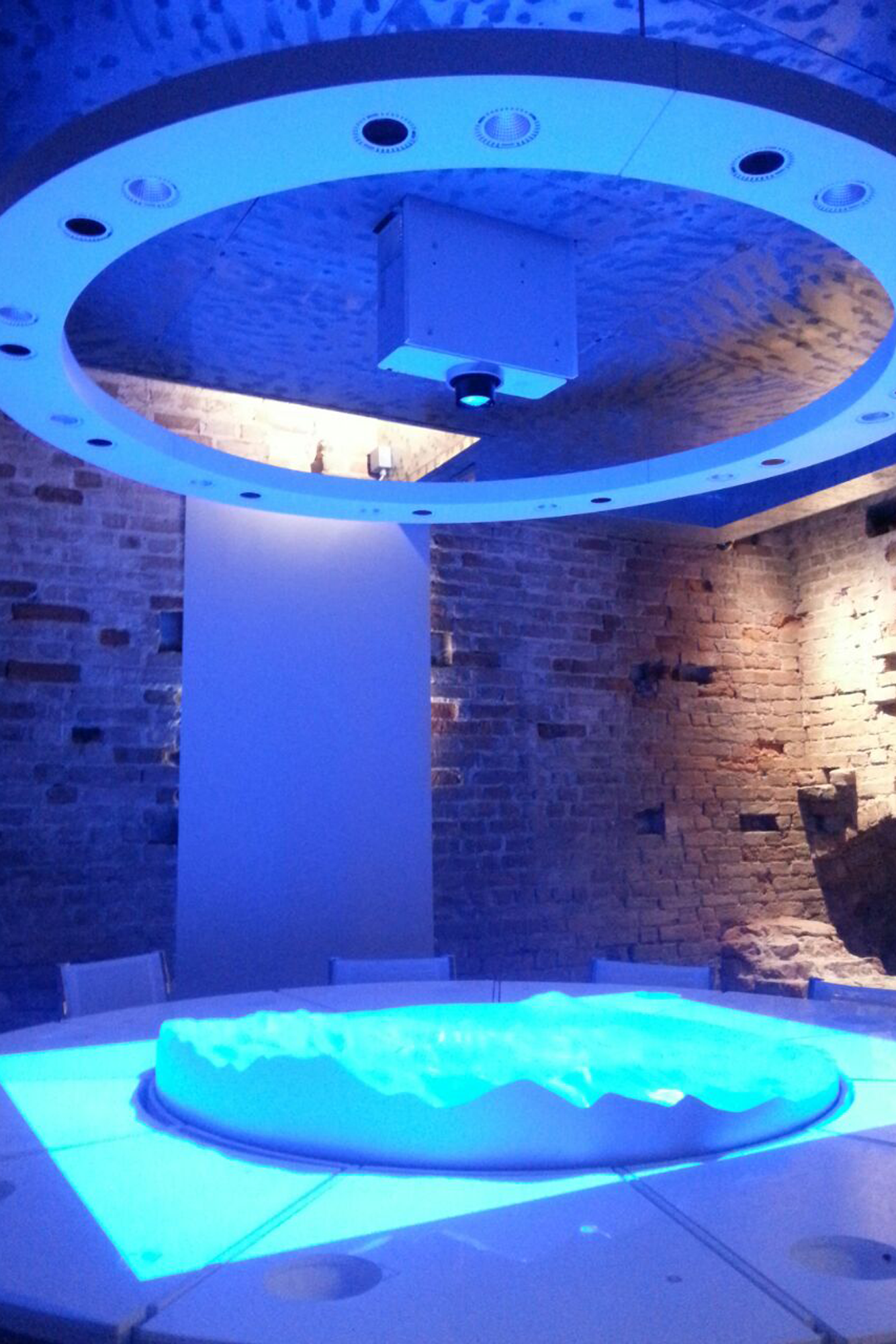
4. The display installed in the meeting room of the pharmaceutical company Galderma, in Milan (Italy). 5. The museum installation at the Barbaresco Tower, in the province of Cuneo (Italy).