
-
 Technology and Design: The European PerspectiveChiara Benedettini's Interviews with Leading European System Integrators
Technology and design,
early communication is everything
Conner Turner
Twisted

Through our interviews in the Technology & Design: a possible balance series, we had the opportunity to go beyond national borders: at ISE 2026 we met Conner Turner, Senior AV Designer at Twisted, a fast-growing systems integrator based in Portsmouth, UK, active across EMEA and the United States. The core business is workplace technology, with a growing focus on multifunctional spaces - an objective achievable through close collaboration with architects and designers. From Convene London, Uber’s EMEA headquarters to a computer software company's European campuses, between next-generation LED and artificial intelligence, the future of spaces is already under construction.
Chiara Benedettini – To get to know you better, could you tell us about a project that is particularly representative of your work at Twisted?
Conner Turner – I would definitely mention the collaboration with a computer software company, a long-standing client we have been working with for years on a European scale. We support them in developing their technology standards, addressing topics ranging from logistics to meeting spaces, from privacy to security. We also assist them in their ongoing technology upgrade programmes. It is a very close collaboration, working alongside architects and interior designers as well. Another project I am particularly proud of is the National Gallery project, Trafalgar Square in London, whereby I led design development, specification, programming, integration and commissioning for the project spanning over an 18 month period. A project I am truly proud of, which this year received two nominations at the AV Awards and a nomination at the 2026 InAVation Awards.
CB – We have already touched on the relationship with architects and designers...
CT – When custom elements, architectural constraints, or specific requirements around finishes and dimensions come into play, it is essential to sit at the table with architecture and design professionals from the very early stages of the project. If that doesn't happen, problems multiply and the stress falls on everyone: the designers, the integrators, the general contractor. AV is often considered too late, and by that point you find yourself having to adapt systems or move already-installed infrastructure. Early communication is everything - and unfortunately it is not always easy to achieve. Fortunately, the market is moving in this direction: there are brands and designers developing increasingly flexible solutions, designed to integrate seamlessly into spaces. I saw some very interesting things along these lines here at the show.
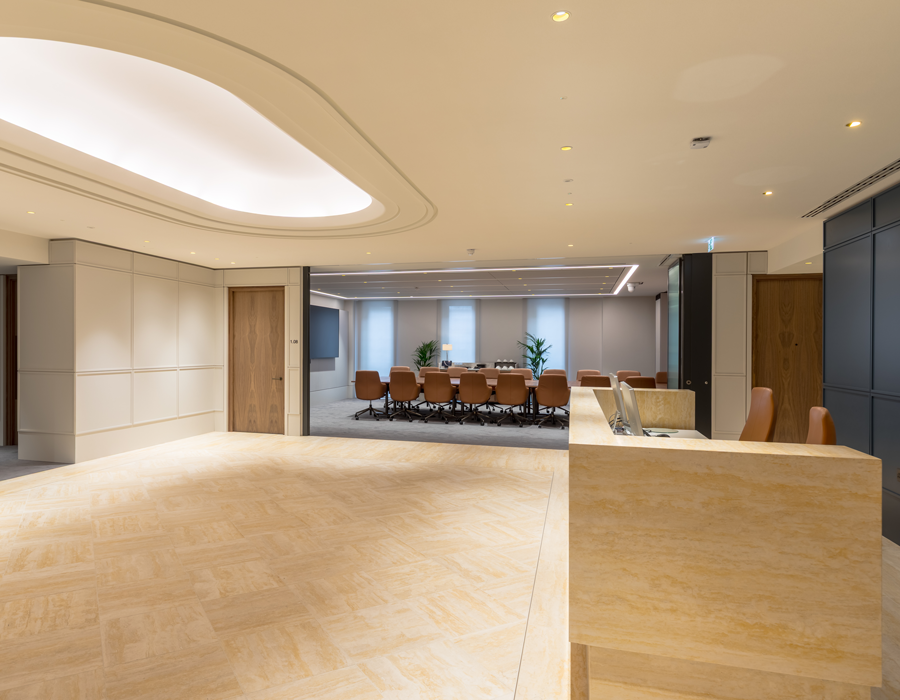
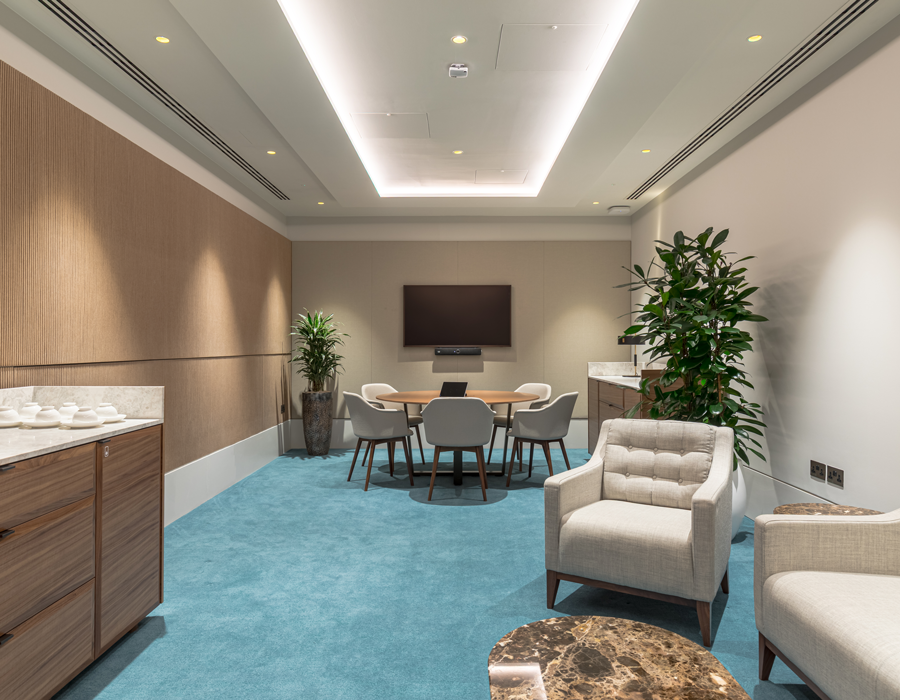
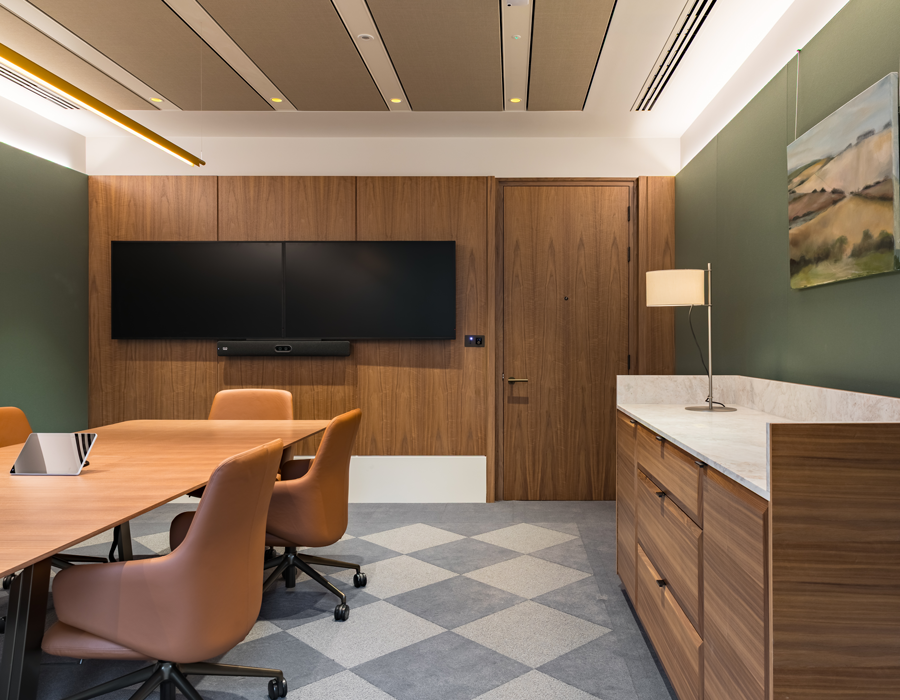
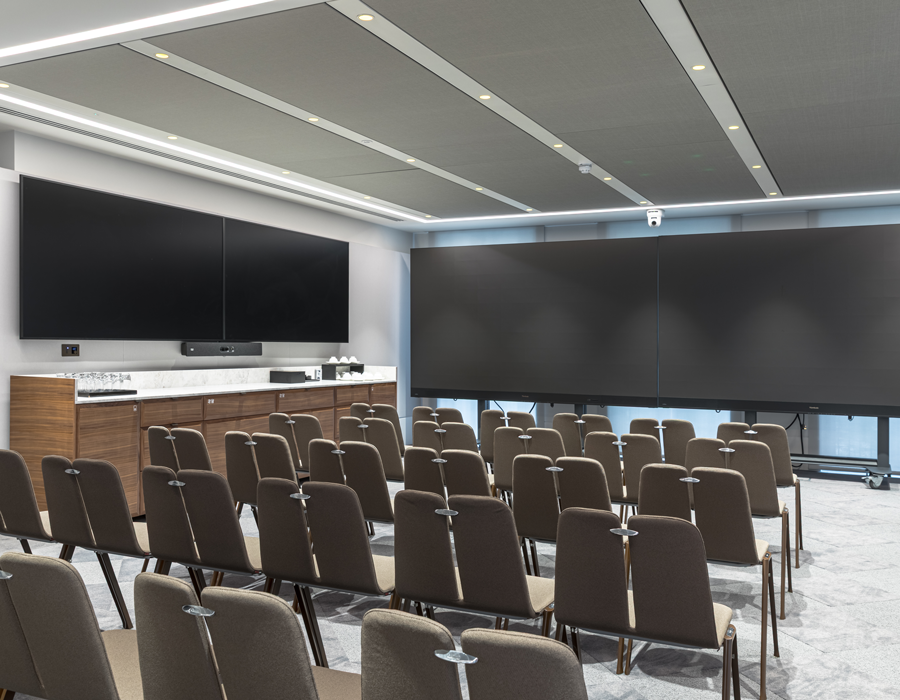
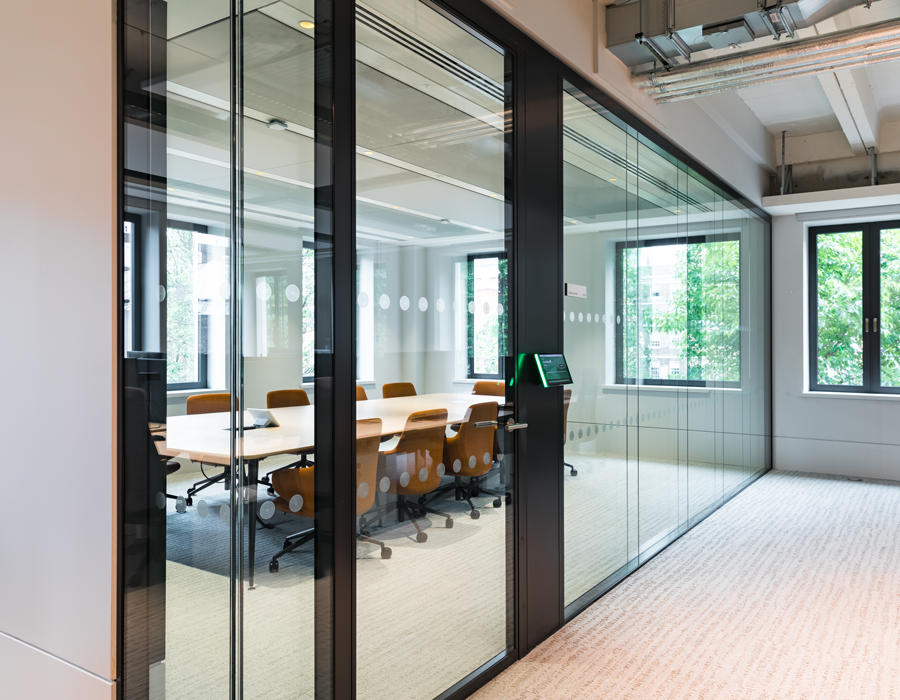
1.-5. Twisted's recent projects
CB – Technology is complex - how do you make it accessible to everyone?
CT – That is precisely why it is essential to be involved as early as possible: visiting the sites, meeting the people, understanding what they really want to achieve. It is not just about installing technology but about understanding the real needs of the users and building solutions around them. Furthermore, expanding on specific use cases and understanding specific requirements and how more complex involved spaces are used logistically as well as functionality is crucial.
CB – And what is the role of the system integrator when it comes to multifunctionality?
CT – The approach is similar: the integrator needs to be present in conversations with the manufacturers and brands shaping the AV-market. I participate in many panels for exactly this reason, to bring the voice of those who use these products every day in the field and help steer the development of solutions that better meet real-world needs. It is a dialogue that is bearing fruit. And then, as the foundation of everything, there is always the network infrastructure: solid connectivity is the indispensable starting point for any truly flexible space.
CB – Here at ISE, have you seen any technologies or trends that you think will shape the near future?
CT – The two technologies I expect to dominate the near future are artificial intelligence and LED. AI is particularly interesting for our sector because it can simplify system tuning and assist with programming, with a huge impact on operational efficiency. LED, on the other hand, is a continuously growing and rapidly evolving market: here at the show, I saw some very interesting double-sided solutions, which allow you to replace traditional displays and achieve fully customized results. The latest generations of LED panels do not even require ventilation, which opens up design possibilities that were previously unthinkable. And then there are architectural speakers, which manage to combine audio performance and design in almost sculptural forms. Technology is becoming an increasingly integral part of design... and vice versa!
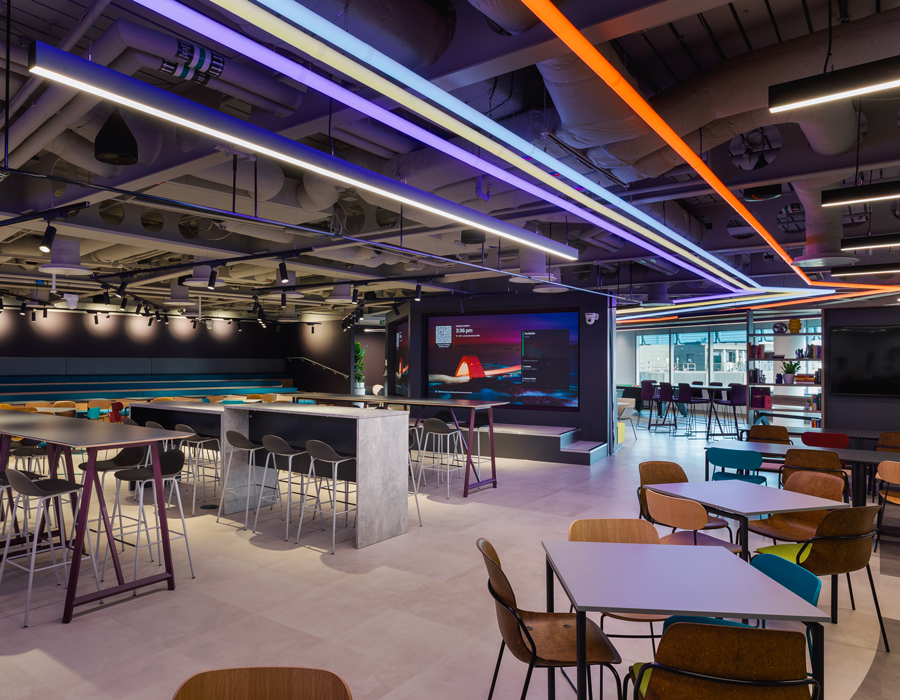
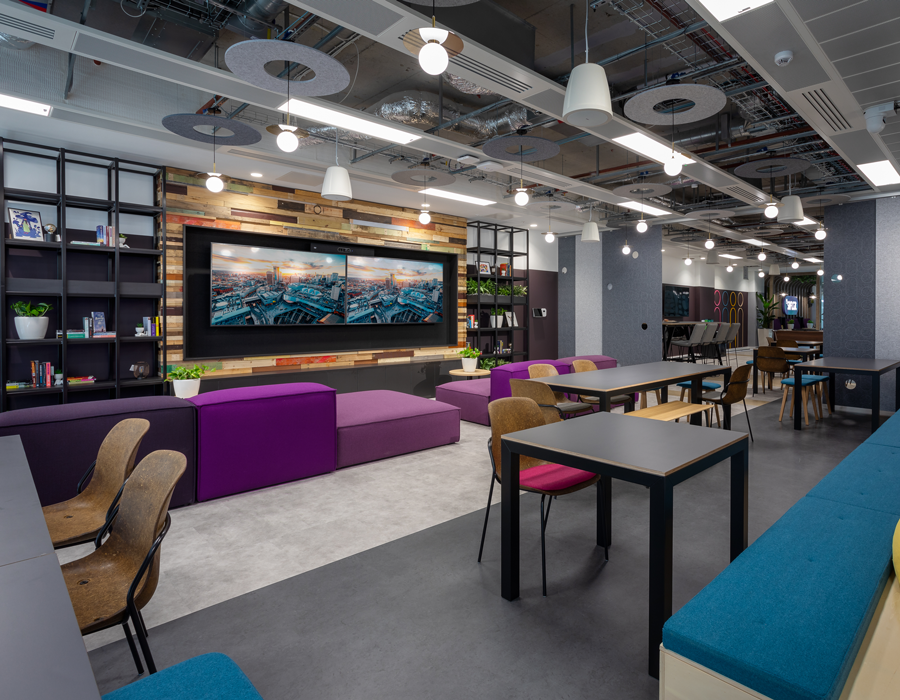
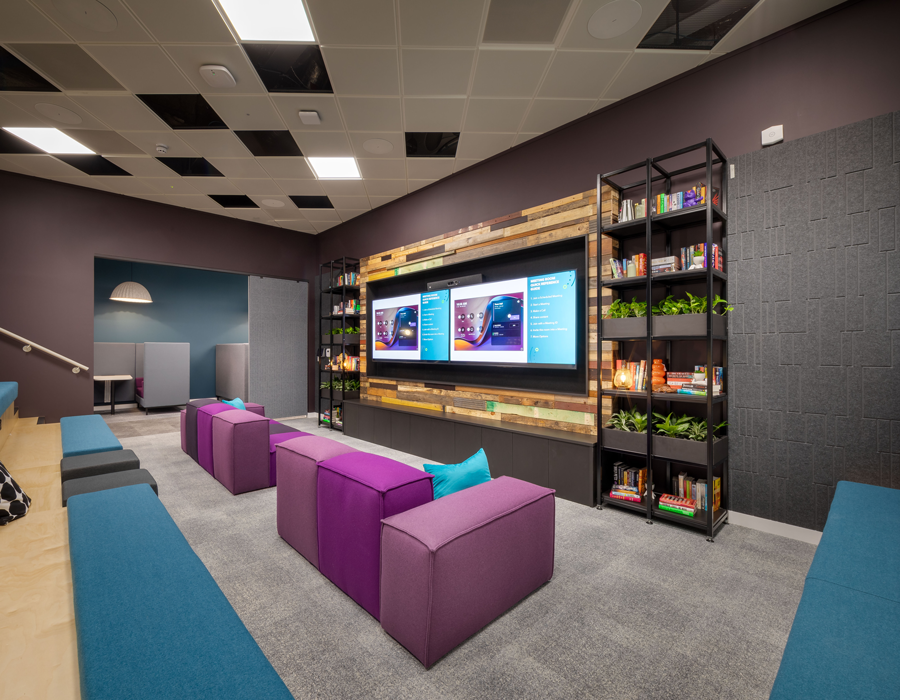
6.-8. Twisted's recent projects.