
-
 Technology and Design: The European PerspectiveChiara Benedettini's Interviews with Leading European System Integrators
The System Integrator as a Facilitator:
Everyday Use as the Starting Point for Design
Julien Berteault
Atrait Consulting
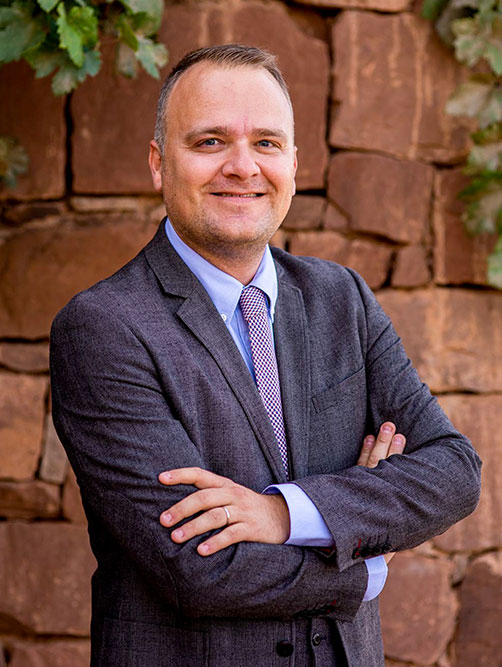
Atrait Consulting specialises in integrating technology into spaces designed by architects, working closely with clients and end users to identify the most suitable solutions for each situation.
"Every context", as Julien Berteault, Managing Director of the company, working across France, Morocco and the United Arab Emirates, explained to us, "presents different requirements: users, modes of use and expectations all vary". This is why understanding the needs of each project and identifying the most effective technological solution — one capable of adapting to the space and supporting the people within it — is so important.
Here is the interview with Julien Berteault, whom we had the pleasure of meeting at ISE 2026.
Chiara Benedettini — Could you tell us about a project you consider representative of your work?
Julien Berteault — I immediately think of a headquarters we recently completed, located inside a historic building. The challenge was to integrate advanced technological systems while respecting the existing architecture. In these cases, the work consists of finding a balance between the identity of the space, its intended uses and the technological requirements, in close coordination with architects and clients. Another project we are currently working on is in the ultra-luxury hotel sector. Here the integration is even more delicate, because the goal is to combine design and functionality without technology becoming intrusive — so that the end user can live the spaces naturally, almost as if at home, but with a significantly higher level of performance. This is why dialogue with the client is fundamental: before discussing brands or products, we always talk about possible solutions and the degree of visibility of the technology, assessing together what should remain hidden and what can instead become part of the project.
Nicola Franceschi — How do you manage your relationship with architects?
JB — In most cases it is the architects who bring us in. When we enter a project, I always make clear that our role is not to compete with the designer, but to work together to integrate technology into the space as effectively as possible. This is also a topic we address with furniture manufacturers, since many technological solutions need to be integrated directly into the design elements. The difficulty is that in some cases we are brought in when the architectural project is already well advanced. For us, the ideal would be to participate from the very earliest stages, so that the technical component can be embedded in the design vision from the beginning.
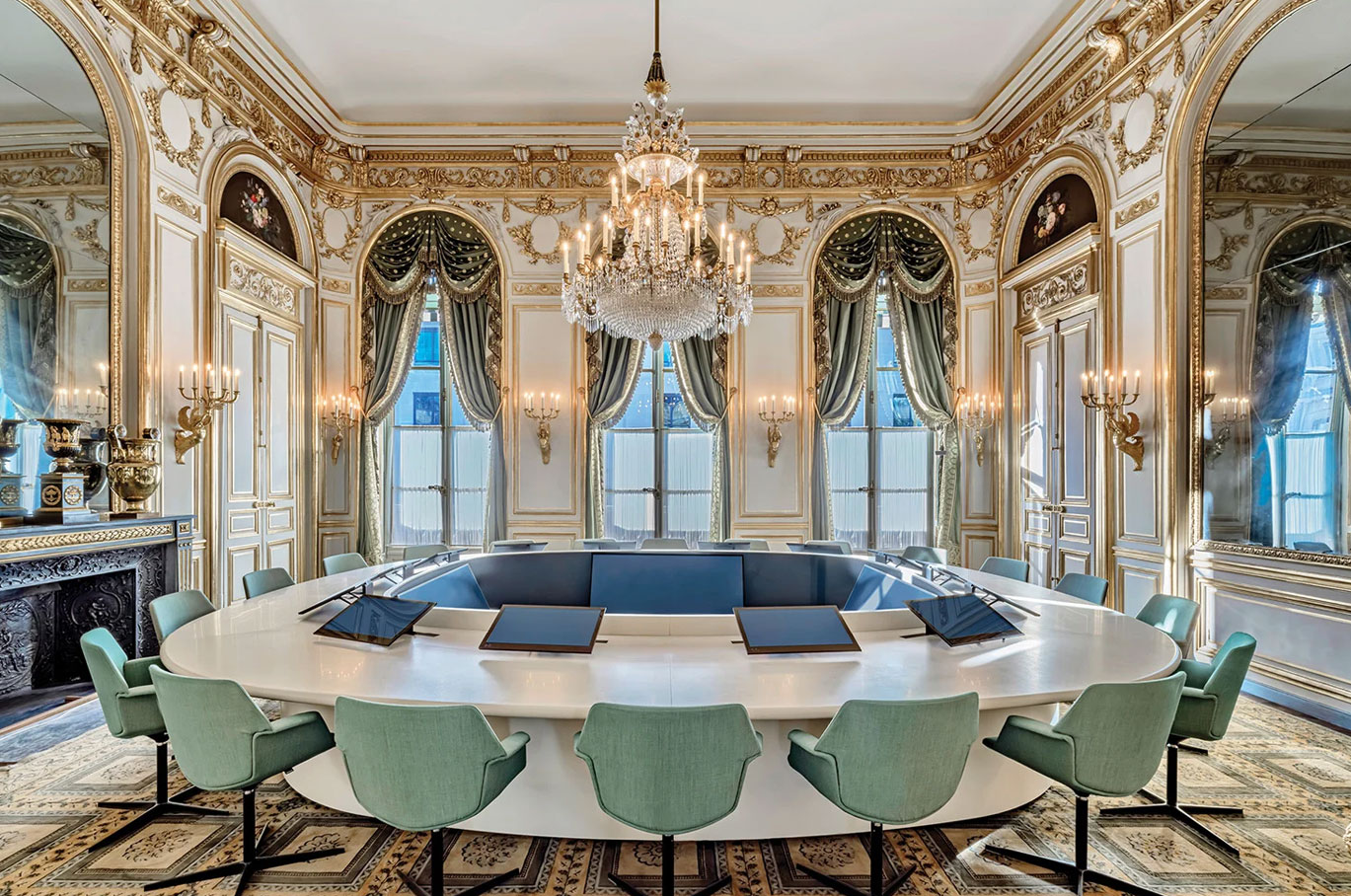
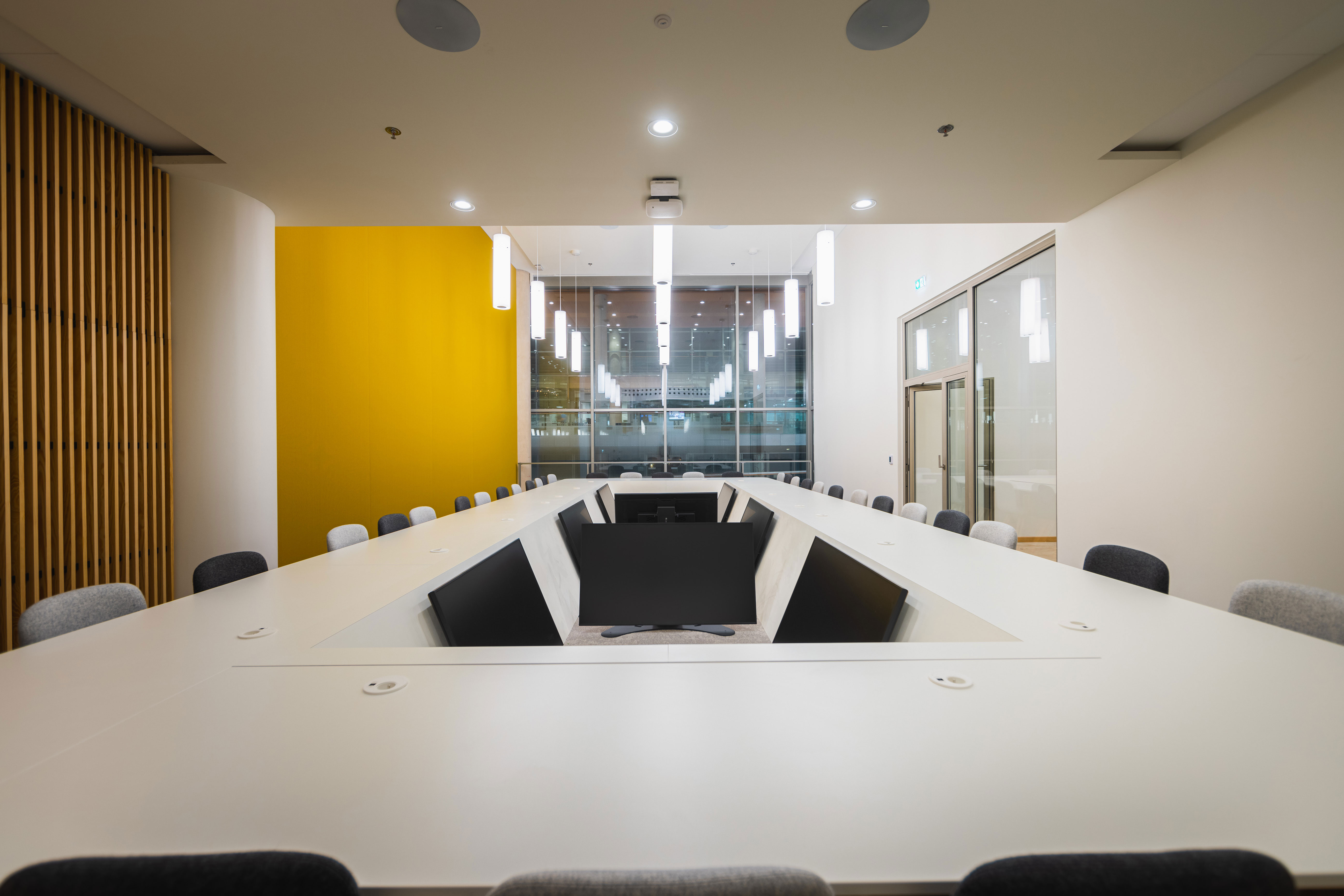
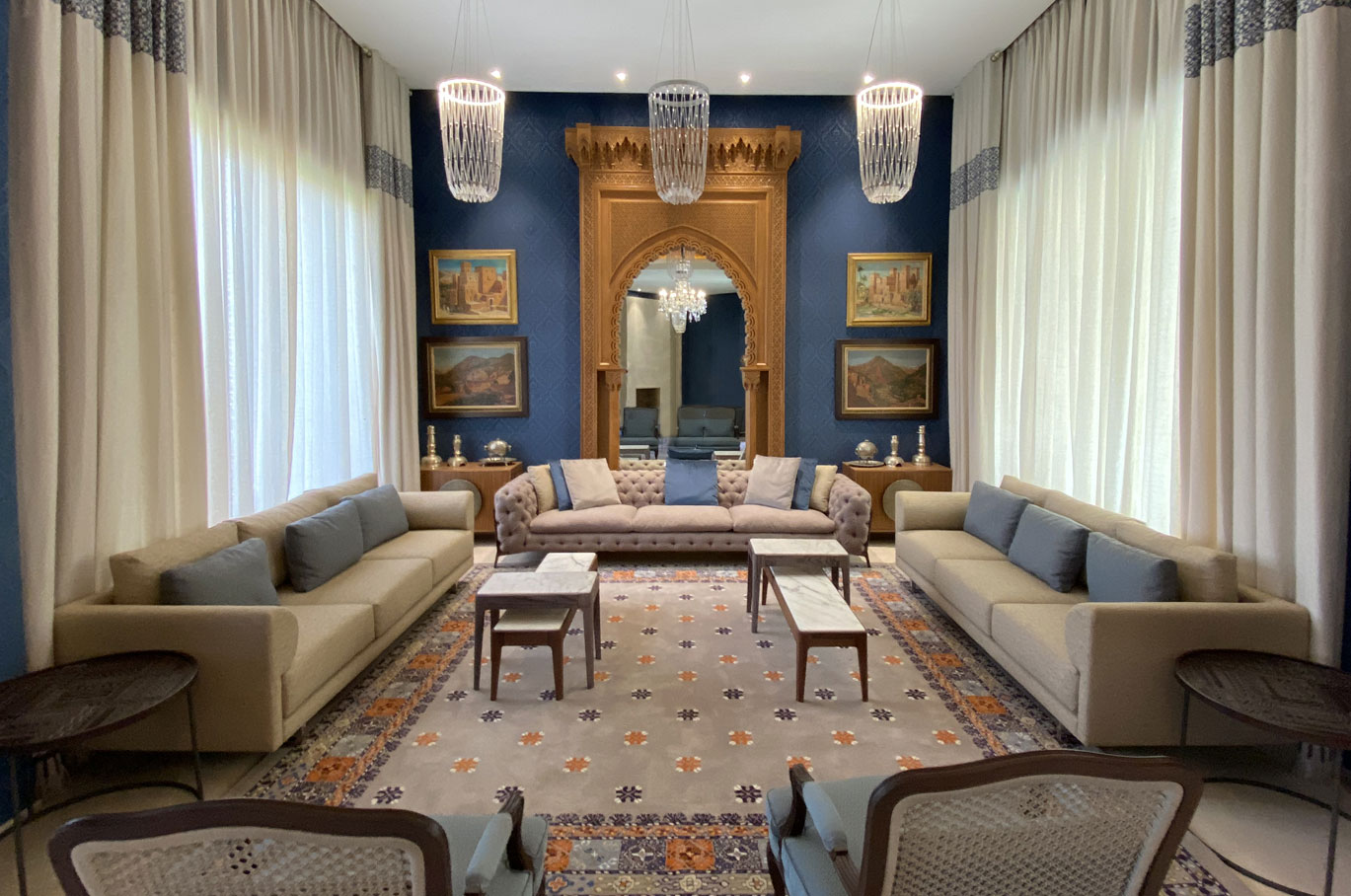
1.-3. Some of Atrait Consulting's recent projects.
NF — What does the relationship between technology and design mean to you?
JB — They should go hand in hand: every project must be conceived starting from how the space will actually be used — both by the people who inhabit it day to day and by those who manage it. The goal is to find the right balance between technological solutions and space design, always keeping people's comfort as the fixed point. To achieve this, we try to start from the everyday use of spaces: rather than focusing immediately on technology, we talk with users to understand how they work, how they use the spaces throughout the day, and so on. Our goal is therefore to involve them in the design process. We present various technological possibilities and show solutions that could meet their needs, but we always leave space for dialogue. In this way, technology becomes a genuinely useful tool, coherent with the way the space will actually be used.
NF — We are seeing a growing demand for multi-purpose spaces. Is that your experience too?
JB — It is. Increasingly, spaces need to accommodate different functions: conferences, events, working sessions or training. We see this clearly in contexts such as universities, stadiums or large public halls. This is why it is essential to think from the outset about integrated and flexible solutions — and often the most effective answer comes precisely from the integration of different areas of expertise, which allows us to offer the client a comprehensive vision of the space and the technologies that can make it truly versatile. In complex projects, technology must dialogue with many different elements: furniture, acoustics, lighting... This is why it is essential for the various competencies to collaborate from the earliest stages. Working in a coordinated way between system integrators, manufacturers and designers allows us to propose integrated solutions and respond more effectively to the client's needs.
CB — Visiting ISE, did you see interesting examples of integration between technology and design?
JB — Yes, one of the most interesting aspects is seeing that technology is increasingly integrated into the project to the point of almost disappearing. In particular, I saw very interesting solutions in the field of sound systems and acoustics, where the integration of speakers, lighting and architecture makes it possible to achieve technologically advanced results that are at the same time very clean from an aesthetic point of view.