
-
 Technology and Design: The European PerspectiveChiara Benedettini's Interviews with Leading European System Integrators
Technology?
It Can Be Simple and Intuitive, With the Right Design
Nicolas Bernard
Alive Technology
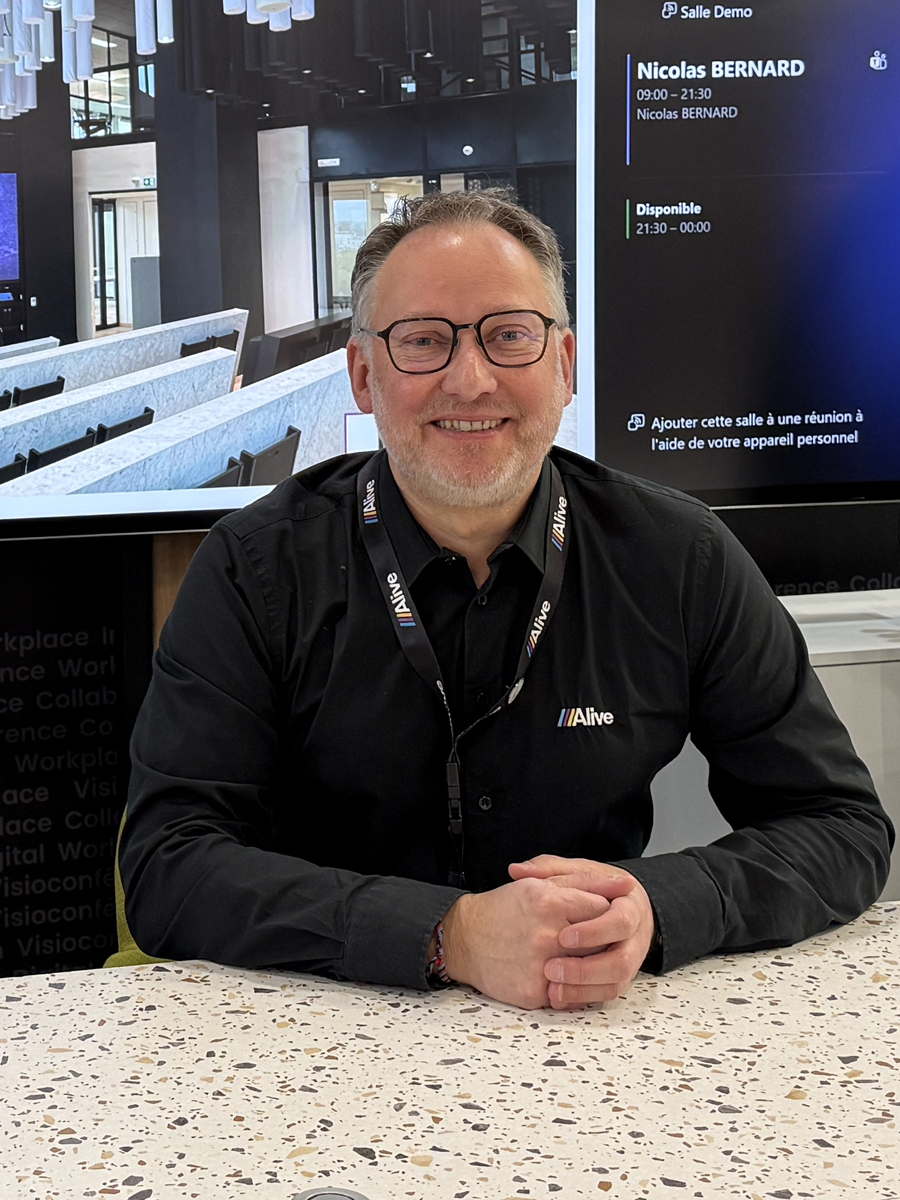
Around 70% of Alive Technology's activity - a French system integrator based in Tourcoing, in the Hauts-de-France region - focuses on the corporate sector, with projects ranging from small meeting rooms to conference rooms, auditoriums and lecture halls. The other key area is education, particularly on the audiovisual side: sound systems, cameras and recording in classrooms and lecture halls. We met Nicolas Bernard, Managing Director of Alive Technology, at ISE 2026: technology, he told us, is "the designer's problem" - it's up to the integrator to translate user needs into concrete solutions.
Chiara Benedettini - Can you tell us about a project that best represents your approach?
Nicolas Bernard - I would say corporate headquarters, where we typically handle the complete integration of audiovisual systems and networks. From the lobby - where we install audio for events and speeches - to meeting rooms of all sizes, flexible executive spaces and auditoriums, we design every environment with the goal of delivering functionality and versatility. In some cases we also build in-house TV studios for webinars or high-quality streaming. A recent example involves a French company: for them we completed around 80 meeting rooms, including four modular ones. In Paris we also worked on the headquarters of a British multinational on the Champs-Élysées, which commissioned 50 meeting rooms, auditorium and a multifunvtional events space. We have also worked with several high-profile law firms, for whom we typically create premium digital environments in collaboration with architects - sometimes quite renowned ones.
CB - How do you approach the integration of technology and design in your projects?
NB - I believe it's essential to define the right partners from the outset. We are specialists in audiovisual, the designer or architect has their own expertise, as does the furniture supplier: combining these skills intelligently allows us to create solutions that are both functional and aesthetically pleasing for the client. The result is not only visually better, but often more practical and cost-effective as well. In our experience, it's important to arrive at the project with a team that is already consolidated and coordinated, so that technology is not an afterthought but integrates seamlessly with the space and the overall design, generating real value for those who use it.
CB - User experience is increasingly talked about today. What does it mean to you?
NB - My role is to make technology easy to use. I always tell clients that technology is not their problem - it's ours. They need to tell me how they intend to use the spaces, and then we translate those needs into technological solutions.
Nicola Franceschi - How do you demonstrate the potential of technology to non-expert clients?
NB - We don't just rely on words: we have a showroom in Tourcoing, one of the largest in France, covering over 2,000 square metres with rooms of various sizes, where we showcase all technologies in action. Clients can experience them directly, try them out in practice and immediately understand how technology makes their work easier. We aim to convey the idea that technology works - and that it can be simple and intuitive.
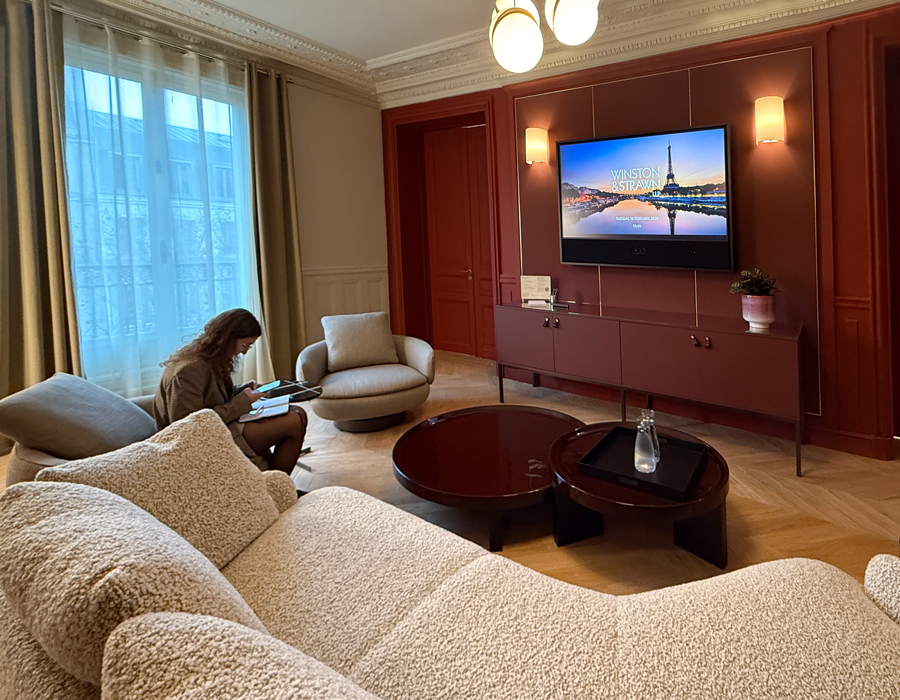
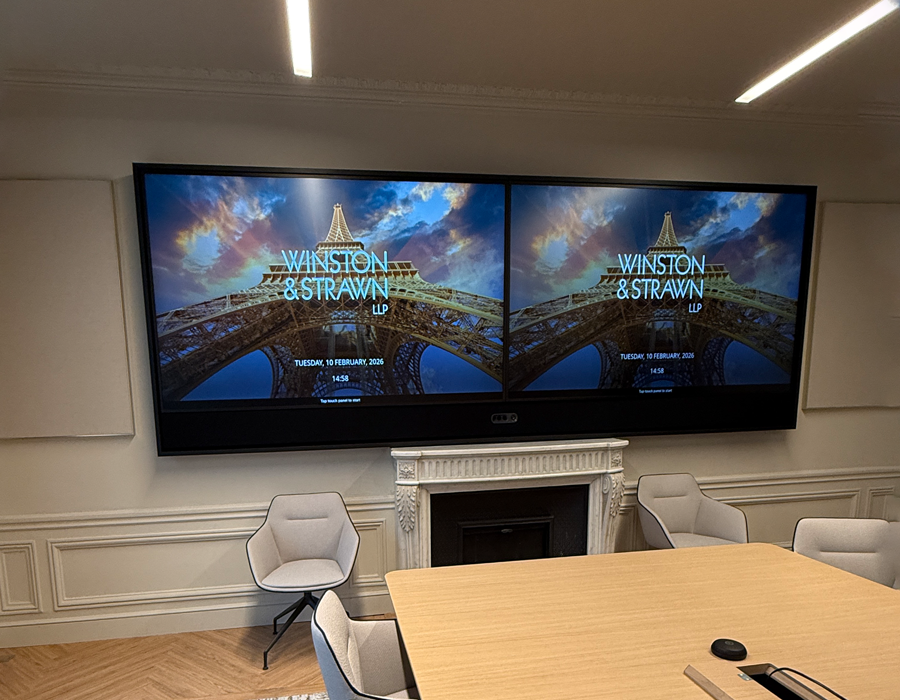
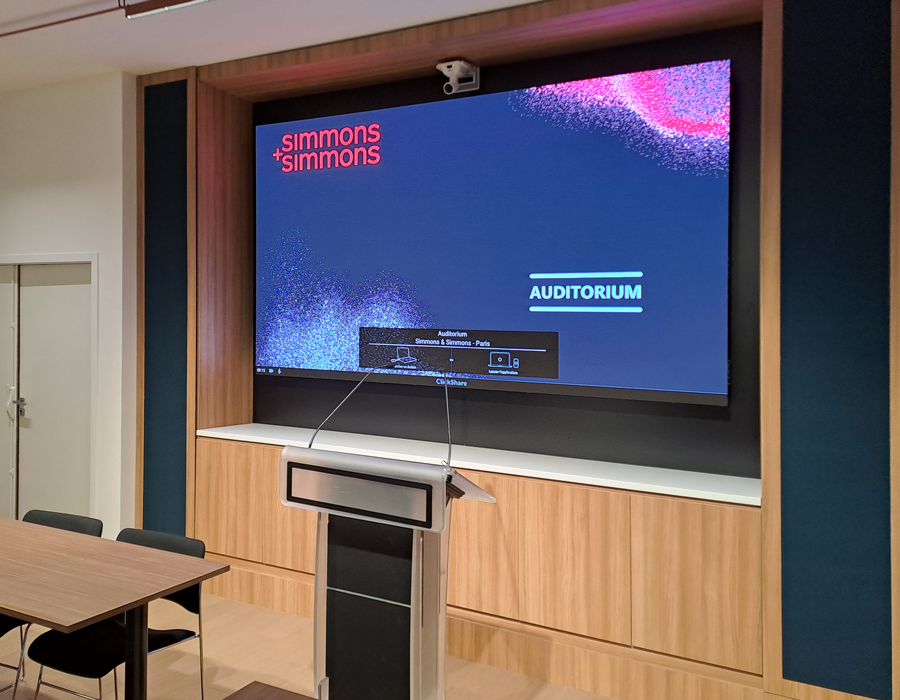
1.-3. Some of Alive Technology's recent projects.
NF - Can the integration of technology and furniture help create flexible, reconfigurable spaces?
NB - We observe that flexibility is one of companies' main objectives, as everyone is looking to optimise space and reduce square footage. The key is often to make an environment truly flexible: a space designed for a specific use can quickly be reorganized for other needs. A company cafeteria or restaurant, for instance, can become an event space, with large screens, microphones and other integrated technologies.
Working this way means combining furniture and technology from the very early stages, so that every element of the space can change function without requiring complex interventions. It's a matter of forward-thinking design, which allows companies and teams to respond to evolving needs.
CB - We're at ISE 2026: have you observed signs of a growing dialogue between technology and design?
NB - This year I have indeed noticed an increasingly integrated approach between technology and furniture. Classrooms or meeting rooms, for example: today, equipped lecterns and desks are becoming true technology hubs, with microphones, screens and connections built in. Everything the user needs is already there, ready to use. On the technology side, I noticed products that are increasingly intelligent and modular, designed to adapt to different contexts without complex structural interventions… It seems to me a clear signal that technology is becoming an integral part of space design.
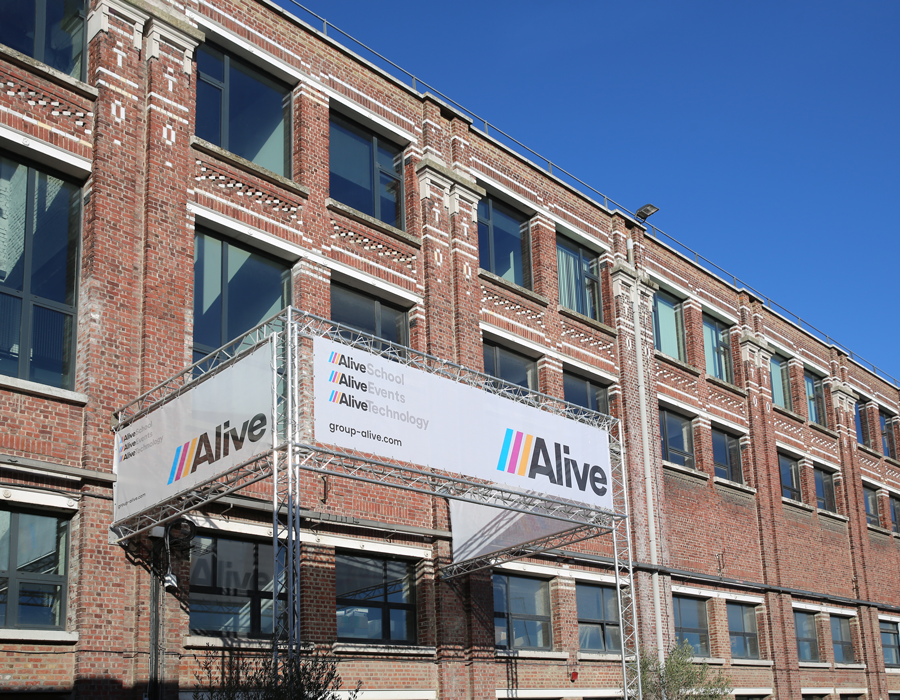
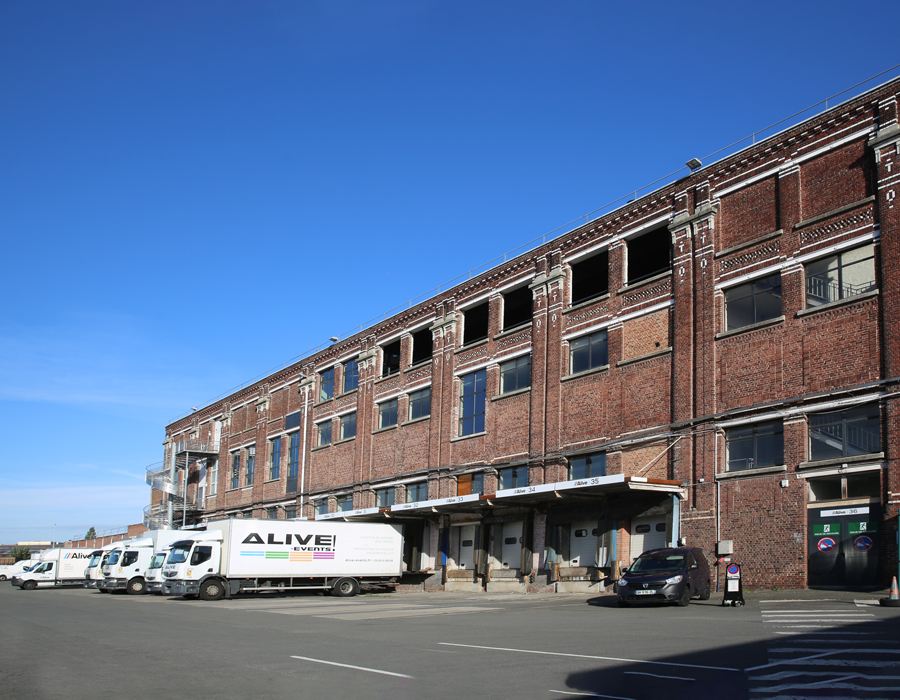
4.-5. Alive Technology's Headquarters.